 Whale Wise
Research
Whale Wise studies the interactions between whale populations and human activity, using a variety of methods. Our aim is to inform and encourage evidence-based conservation. Our work is structured into research and student projects, and our current collaborators are critical to meeting our research aims. We always strive to share our work with the scientific community, primarily through scientific publications and conference presentations.
WHAT?
As human activity increases throughout the global ocean, whales are increasingly vulnerable to its negative effects. We study the impact of different local and global industries – from commercial fishing to vessel activity – on whale behaviour, health and fitness. At the centre of each Whale Wise research project is a question relevant to conservation or the development of scientific methods.
Telling stories of the whales through science is at the heart of our work. Over the years, we have developed close relationships with the whales of Iceland and come to know them on an individual basis. We care for them deeply and love sharing their journeys, and for those who would like to follow along more closely, our adopt-a-whale programme offers a way to do so.
HOW?
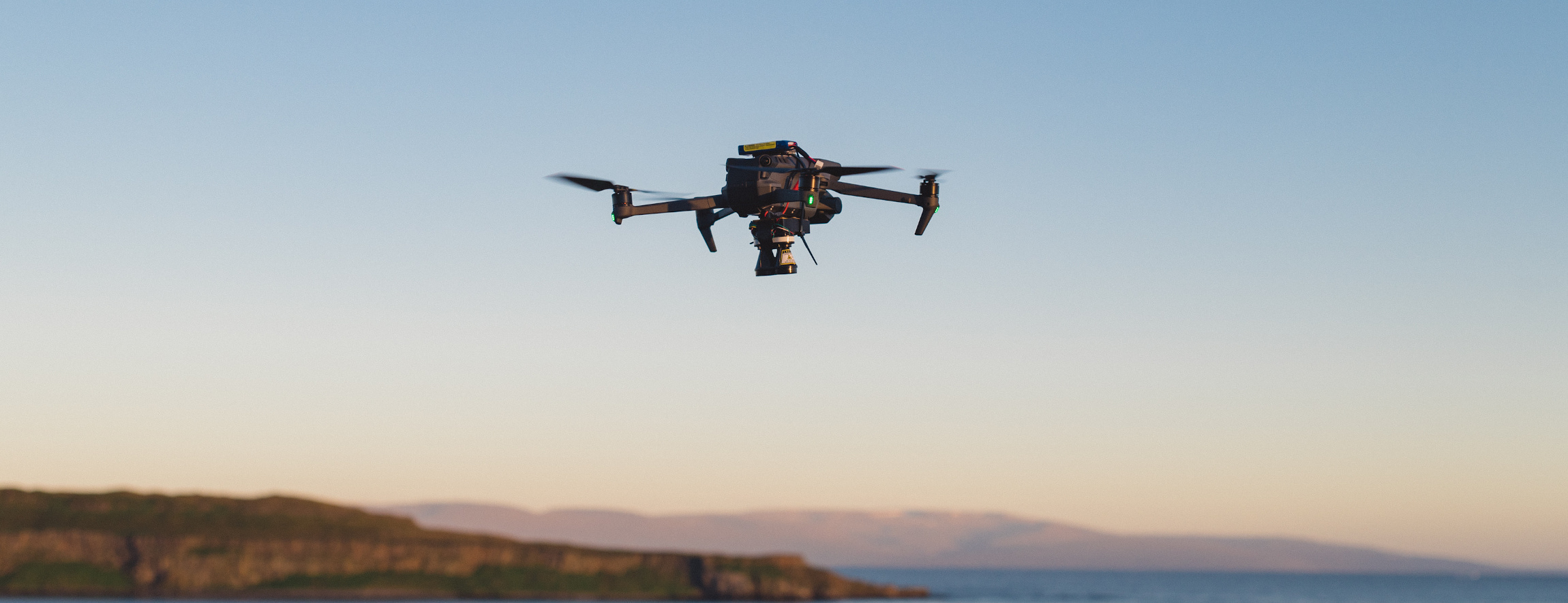
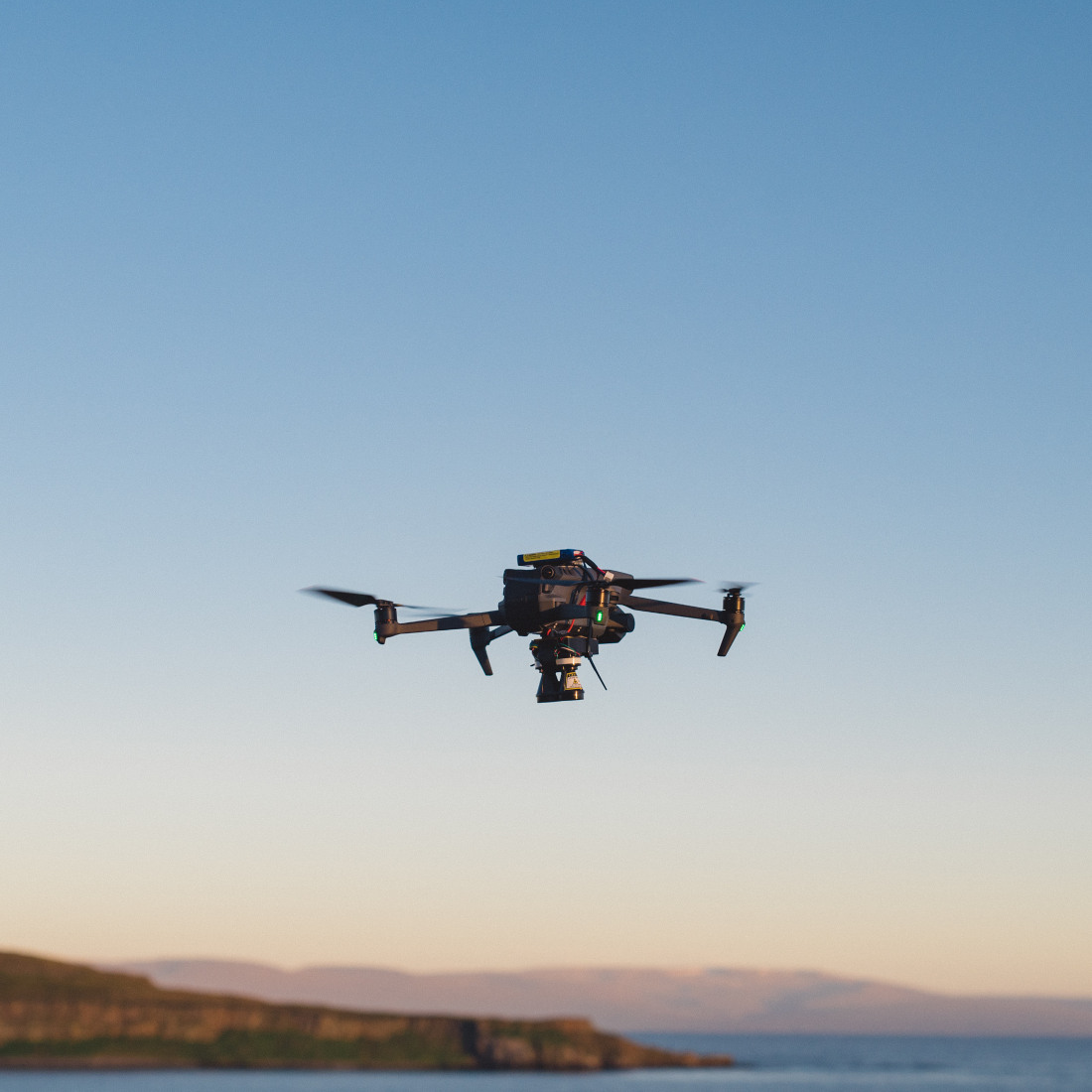
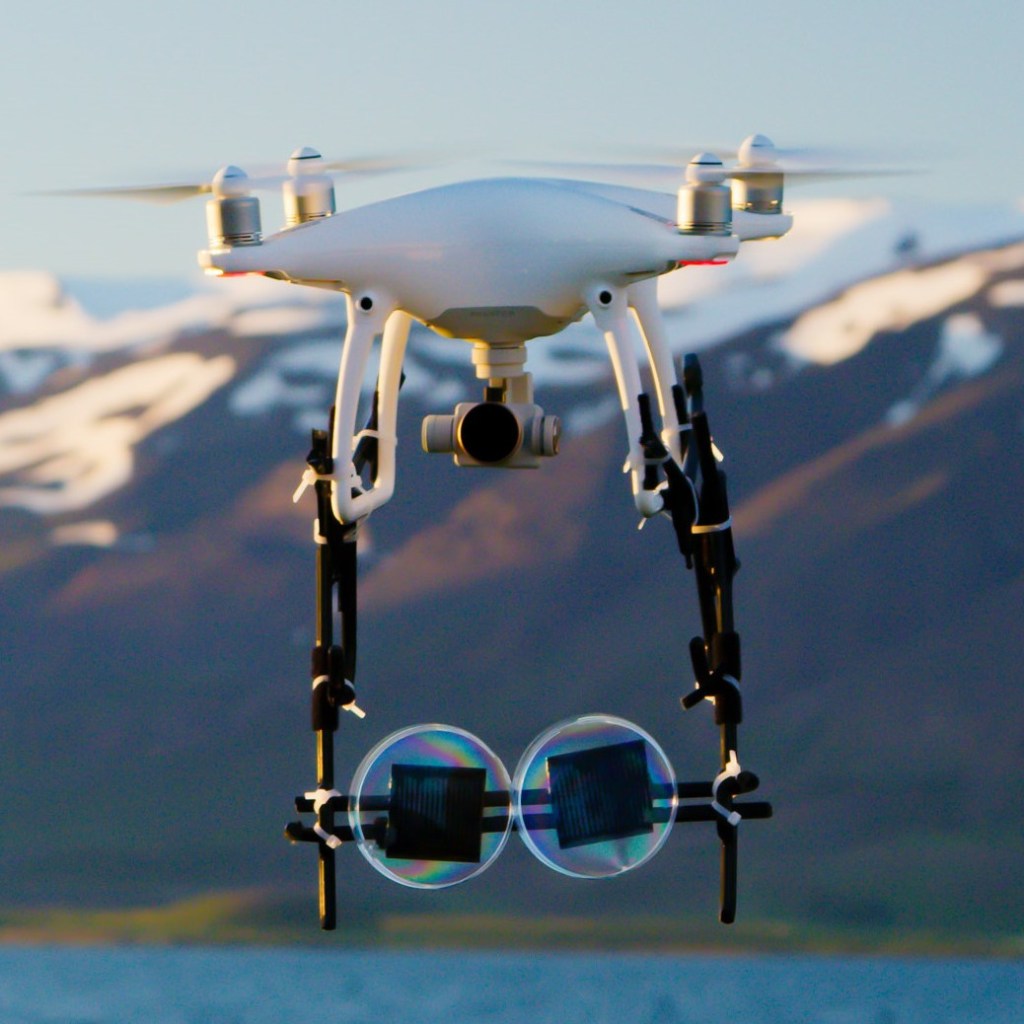
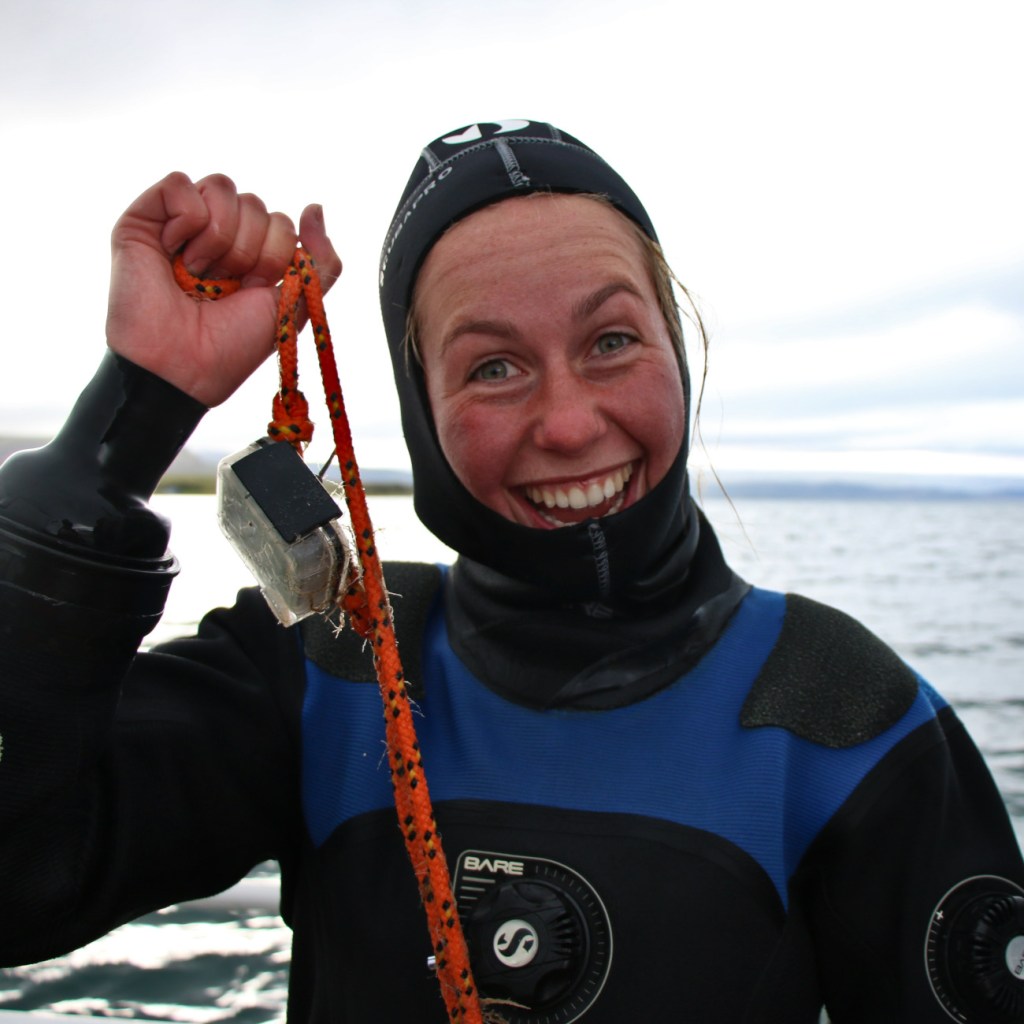
We use a variety of trusted and novel research techniques to monitor whale populations. In particular, we specialise in the use of non-invasive methods such as drone-based aerial imagery and long-term hydrophones. We also harness the power of the public, working with communities of citizen scientists to better understand whale distribution and behaviour. For every research project, we strive to use methods that are effective, cost-efficient, low-disturbance and eco-friendly. We hold a permit for our drone research (ISL-OAT-0001-001) with the Icelandic Transport Authority.
WHERE?
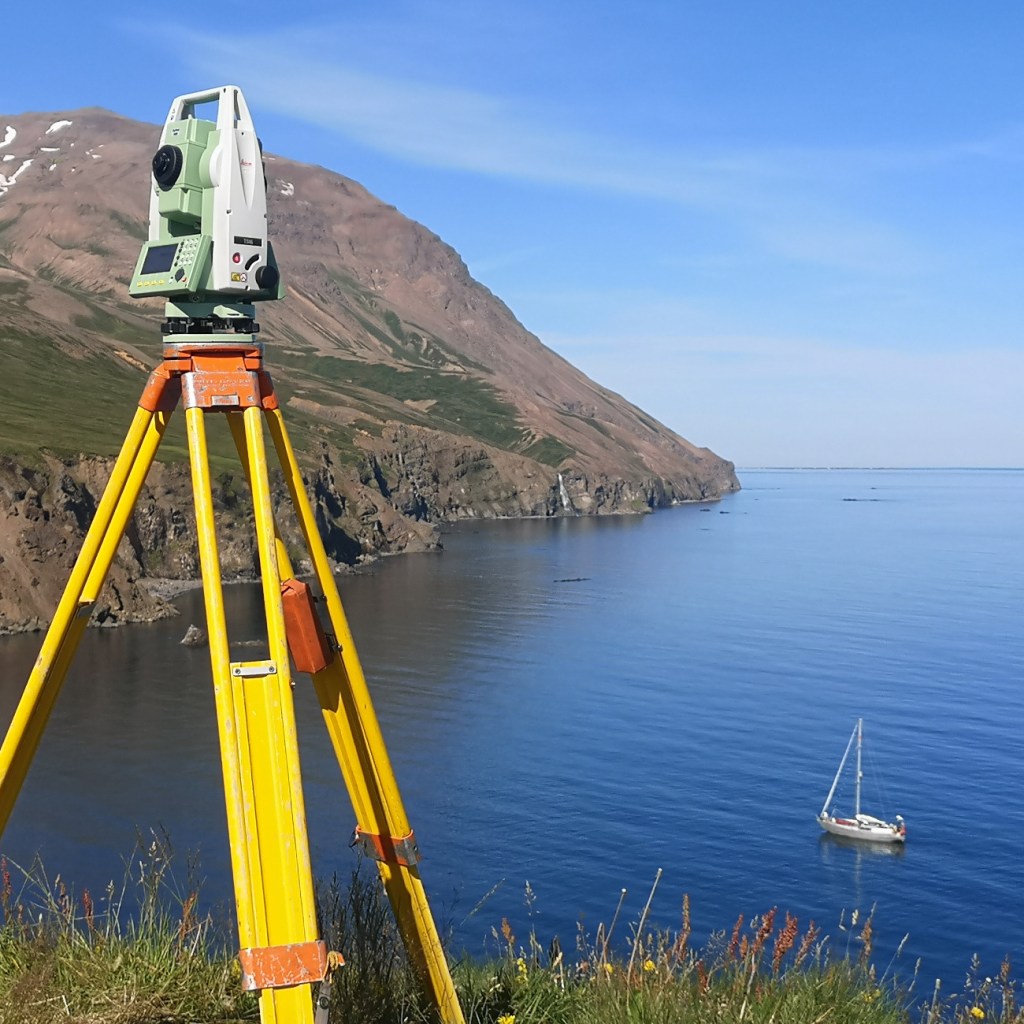
Most of our research takes place in Iceland, from Finnafjörður in the rugged northeast to the rich waters of the Westfjords. Our projects are generally location-specific to address local conservation challenges, although some aim to answer broader scientific questions as well. Our research has also taken place in the UK.
RESEARCH PROJECTS
Iceland (Westfjords)
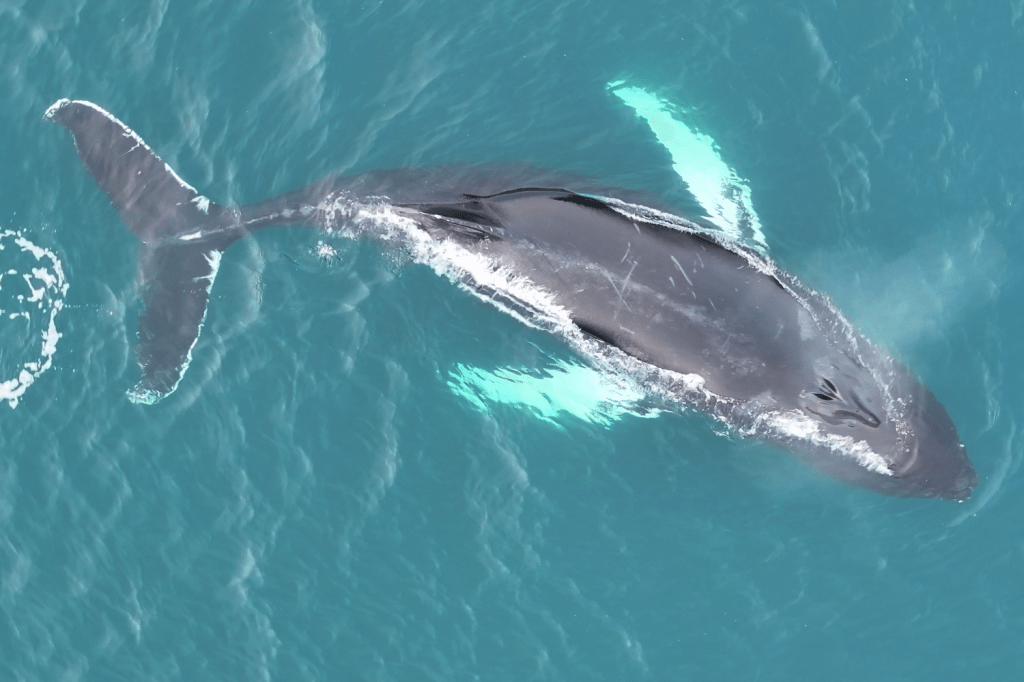
Using drones to assess whale entanglement in fishing gear and its consequences for physical health

Whales and sounds of Finnafjörður
Iceland (Finnafjörður)
Monitoring whale occurrence, distribution and habitat use at the site of a future port development
Iceland (Skjálfandi Bay)
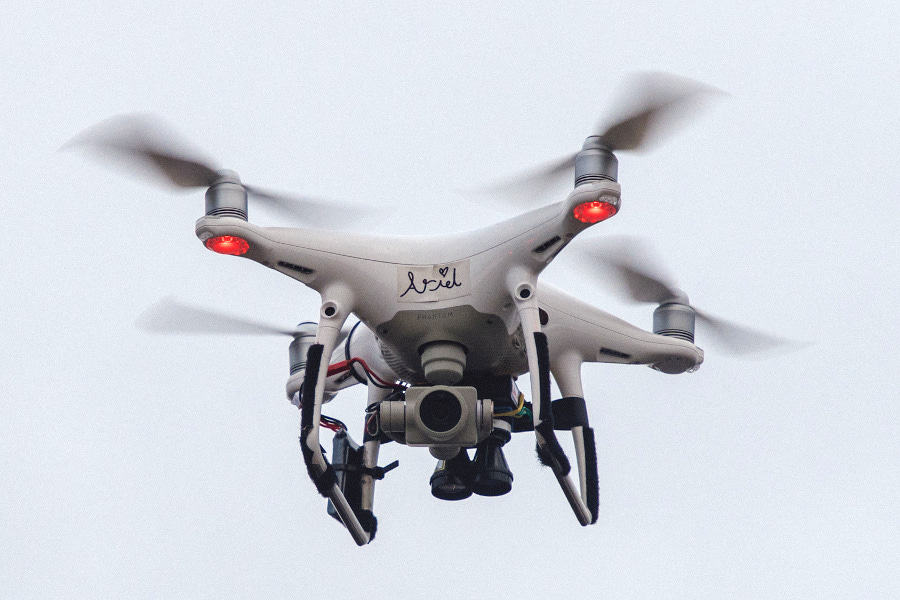
Determining underwater noise levels of drones to guide drone practices around aquatic animals

Iceland (Ísafjarðardjúp)
An extensive collaborative effort to study and protect whales in Ísafjarðardjúp

Iceland, Scotland
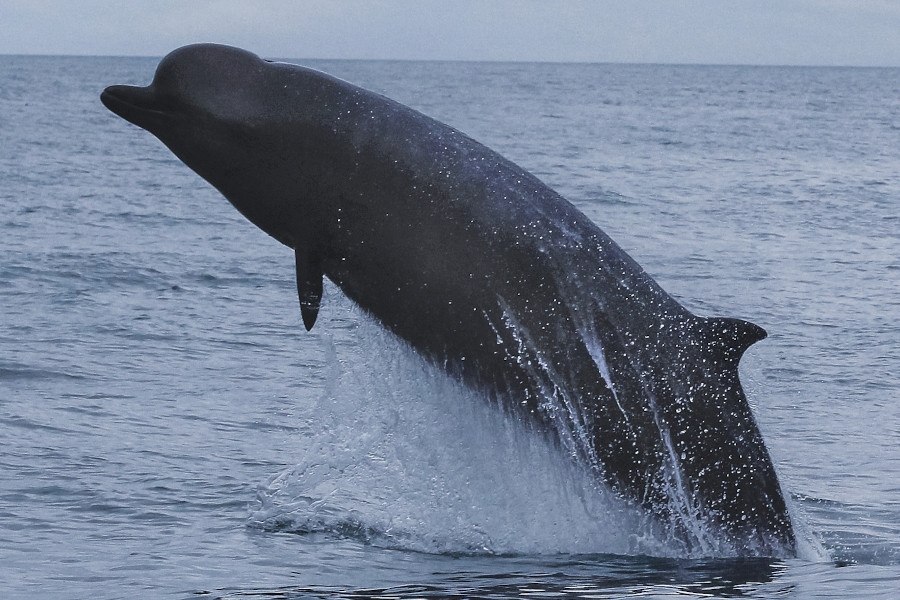
Opportunistic monitoring of northern bottlenose whale occurrence, behaviour and strandings
STUDENT PROJECTS
We have been fortunate to host and facilitate several student projects from multiple universities, listed below.
- Benedek Regoczi, University Centre of the Westfjords MSc thesis (2025): “Mapping humpback whale distribution and spatial overlap with anthropogenic activities in Ísafjarðardjúp, Iceland”
- Laura Lyall, University Centre of the Westfjords MSc thesis (2025): “Assessing the importance of Ísafjarðardjúp, Iceland for foraging humpback whales”
- Malena Mogwitz, University of South-Eastern Norway MSc thesis (2025): “Whale-Human Entanglements: comparing different methodologies to assess humpback-whale entanglement & situating whale conservation in a wider perspective of knowledge.”
- Amelie Laute, University of Kiel MSc thesis (2024): “Characterizing the underwater soundscape at the site of a proposed port in northeast Iceland.”
- Thomas Grove, University of Edinburgh PhD thesis (2023): “Assessing the potential impacts of whale-watching activities on humpback whales in North Iceland.”
- Josie Greenston, University of Edinburgh MSc thesis (2023): “Investigating whale watching vessel behaviour using GPS data to inform marine spatial planning.”
- Sarah Kane, University of Edinburgh MSc thesis (2022): “Listening lines: assessing the feasibility of deploying HydoMoths on static fishing gear to monitor cetaceans.”
- Amelie Laute, University of Kiel BSc thesis (2021): “Investigating the acoustic habitat of humpback whales (Megaptera novaeangliae) in Skjálfandi Bay, Iceland: the impact of Covid-19.”
- Alyssa Stoller, University of Edinburgh MSc thesis (2020): “Assessing the feasibility of citizen science to monitor change and cetacean distribution in Iceland.”
- Flordespina Dodds, University of Edinburgh MSc thesis (2019): “Assessing the feasibility of using an unmanned aerial vehicle (UAV) to measure summer body condition of humpback whales (Megaptera novaeangliae) in Skjálfandi Bay, northern Iceland.”