 Whale Wise
 ABOUT US


Whale Wise is a UK-registered charity based in South Wales, dedicated to advancing marine mammal conservation through scientific research, advocacy, and public engagement. Our team works to understand the complex interactions between whales and human activity, focusing on evidence-based protection, sustainable practices and the involvement of local communities. Currently, most of our work takes place in Iceland, with other projects in the UK.



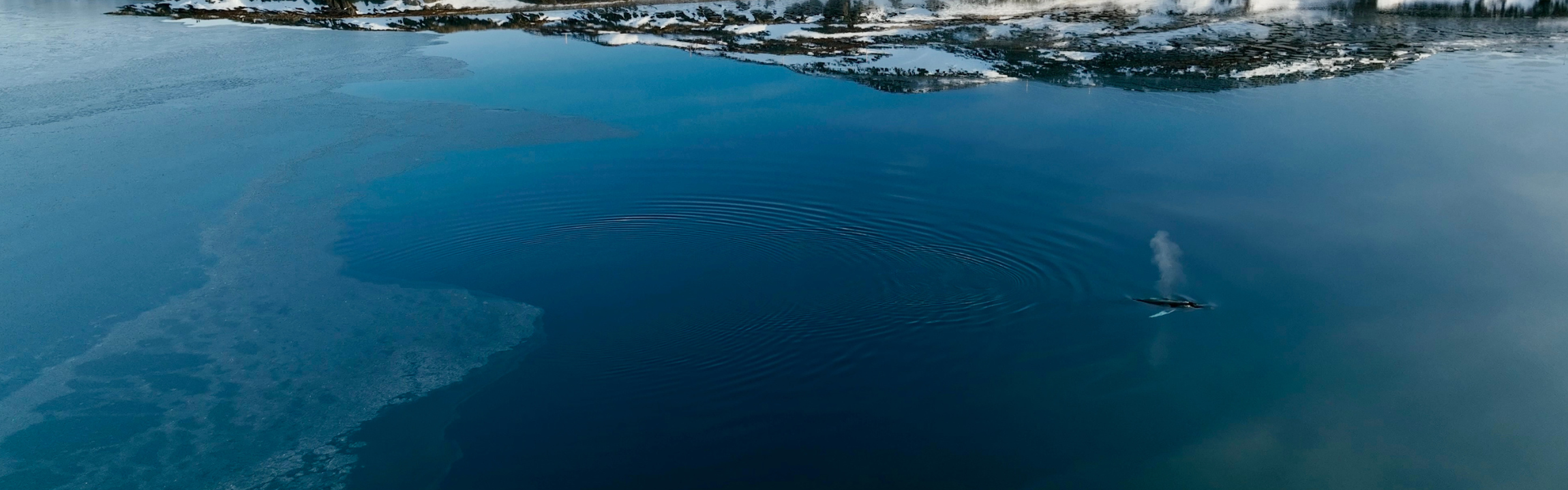

Humans have a vested interest in thriving whale populations. Whales are key to a healthy ocean, by stimulating biological productivity and sequestering huge amounts of carbon. Whales also make direct contributions to human society, in terms of economics (e.g., whale-watching), culture and recreational and spiritual value. Above all, we have a moral duty to limit our negative impact on the natural world. Allowing whales to thrive will benefit the planet, humans and whales themselves.
For these reasons, we are dedicated to protecting whale populations.
Recognising that scientific evidence is key to effective conservation, we study the interactions between whale populations and human activity to fill critical conservation knowledge gaps. To maximise the positive impact of our research, we strive to engage industry, policymakers and the general public with our work. Conservation efforts are often hindered by a lack of communication between these groups, so we promote open conversations that build trust and centre local communities. Finally, we support equity and transparency in the field of conservation by covering volunteer costs and making our research open-access wherever possible.
Together, we can make whale conservation more effective, inclusive and responsible.


At Whale Wise, we use rigorous research to better understand our relationship with marine mammals – both positive and negative. We achieve this through a series of discrete but connected research projects, with questions including:
- How do whale-watching vessels disturb humpback whale behaviour?
- Does entanglement in fishing gear impact whale health for the animals that survive?
- How can we use citizen science to improve our understanding of Icelandic whale distribution?
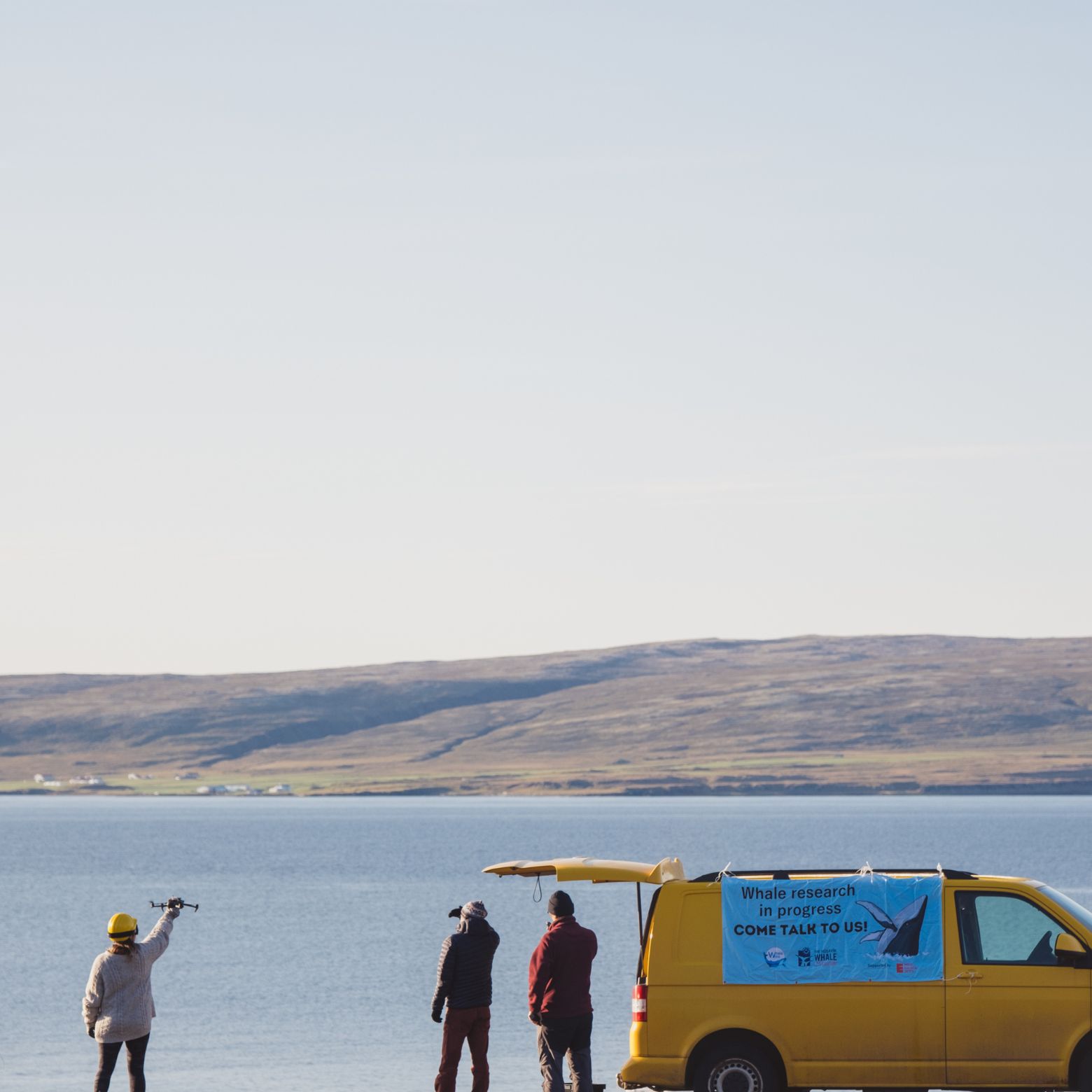
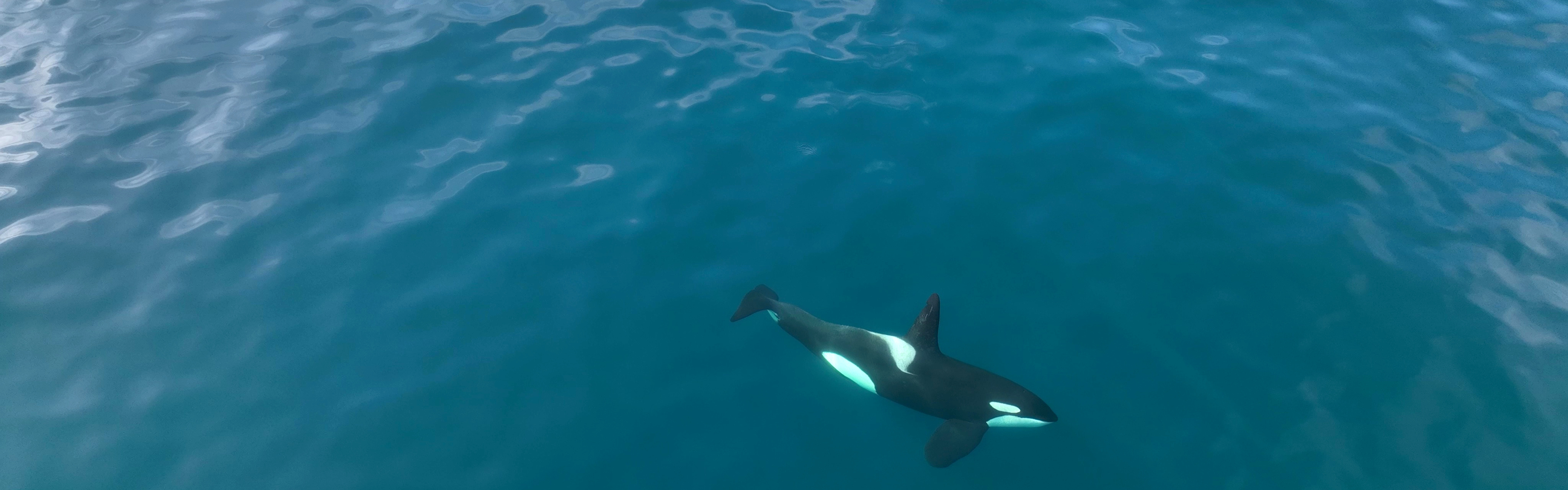
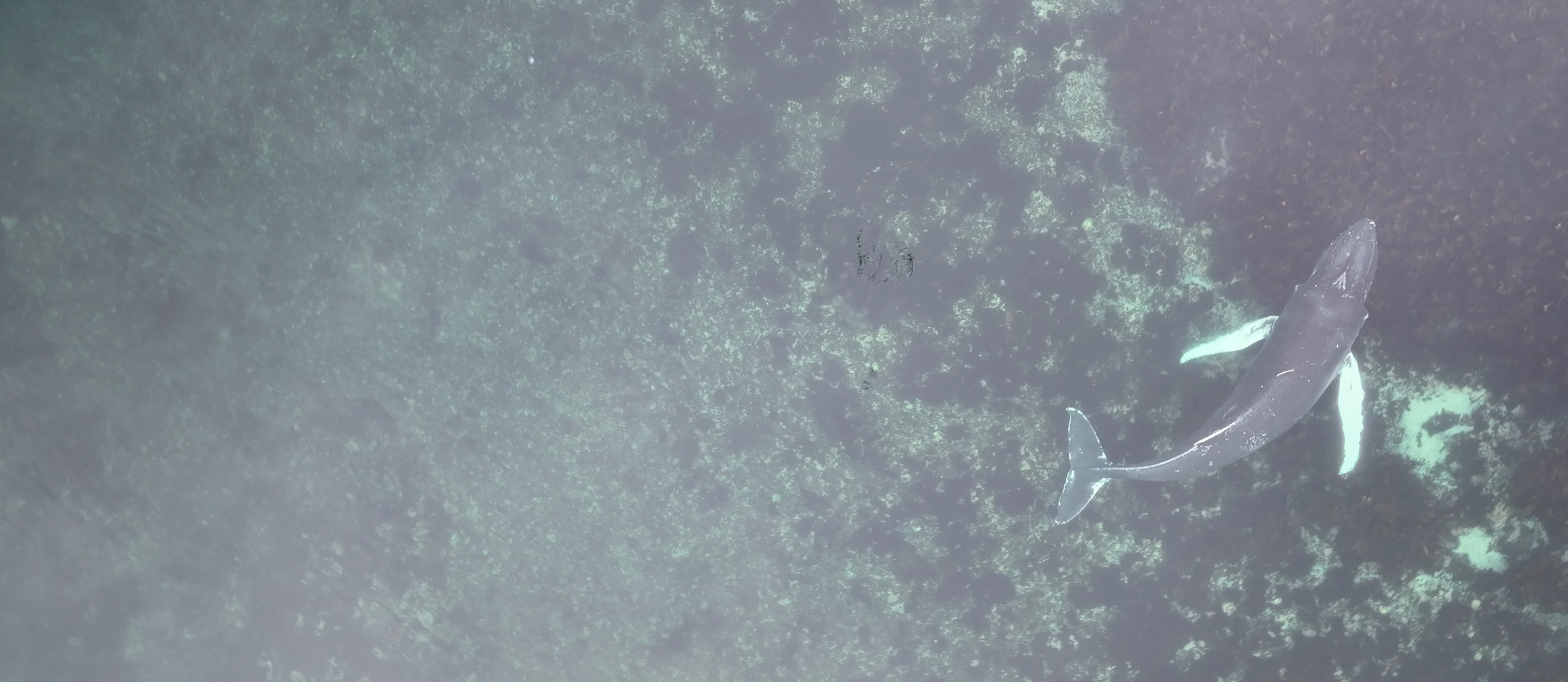
To meet the aims of each project, we use both established and cutting-edge research methods. Drones are a major feature of our work, providing a relatively unobtrusive research platform to view whales from a new perspective. We have previously used drones to collect breath (blow samples), while aerial imagery is a central part of our work, allowing us to measure body condition and assess injuries and health. Drones enable us to conduct most of our research from land, reducing our reliance on boats and thereby cutting costs and carbon footprint.
We also deploy long-term hydrophones to better understand whale occurrence and behaviour, primarily around Iceland but also in Svalbard and the UK. These underwater microphones allow us to listen to whales without disturbance – for up to a year at a time – and provide additional information about human acoustic impacts on marine ecosystems.

To achieve positive change for conservation, it is essential that we engage others with our research and marine conservation generally. We prioritise engagement that goes beyond simply sharing information, which is often less effective and can limit the diversity of voices. We believe in two-way conversations with different stakeholders, including policymakers, industry representatives and local communities. While sharing the results of our research, we also actively ask others for their views and knowledge, both to guide our own research and to promote fairer communication, which is often lacking in conservation.
Similar to our research, we approach public engagement in a variety of ways. As a baseline, we maintain our social media accounts and website; create blogs, vlogs and films; and hold public events from beach cleans to a yearly film festival. Telling stories – of the whales, our research and the people we meet – is at the heart of our engagement work.
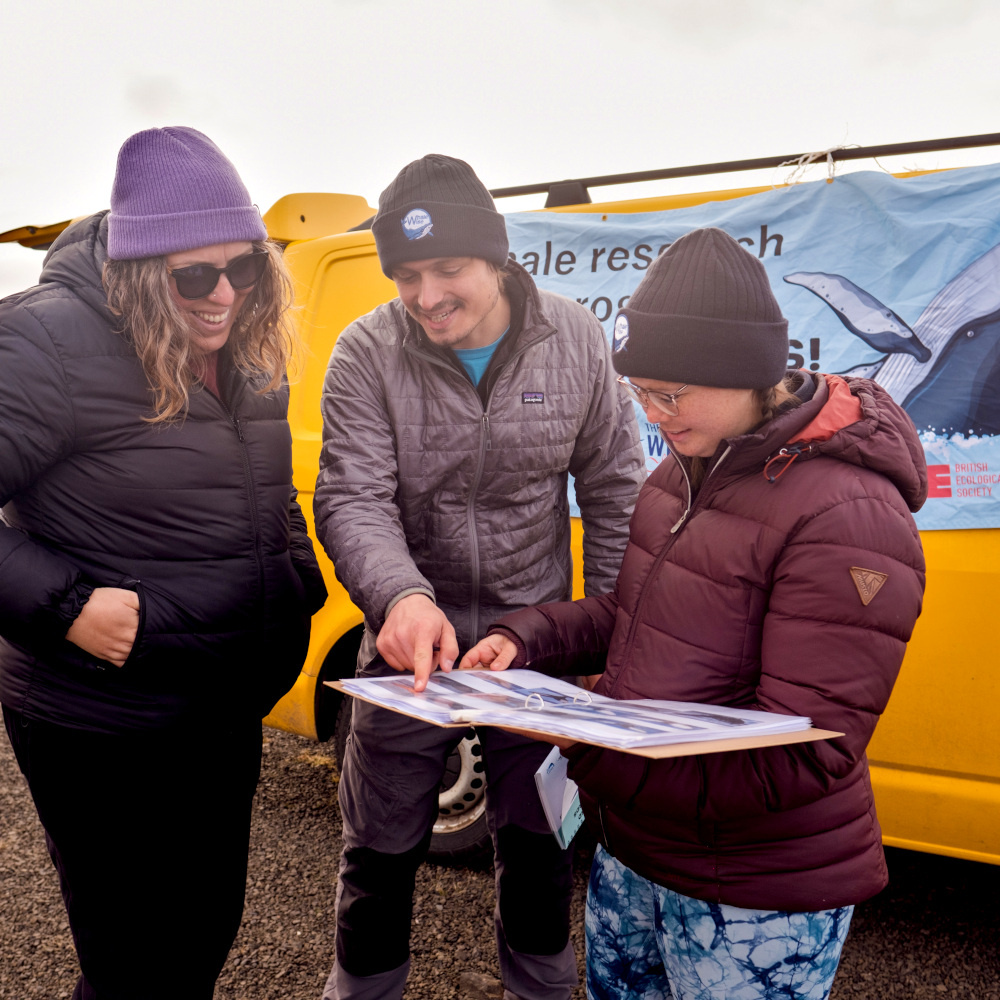
We also try to share our work in other creative and engaging ways. In particular, we aim to provide real-life and engaging experiences that leave lasting impressions. For example, during our research field seasons we run Whales on the Go, a roadside education programme that encourages the public to watch whales from land and directly take part in our research. For environments that are often difficult to reach, such as the high Arctic, we embrace digital experiences such as virtual reality programmes in classrooms and museums.
Finally, a large part of our engagement takes place in the form of simple conversations, at organised events and programmes but also as we live and travel around wild and human spaces.
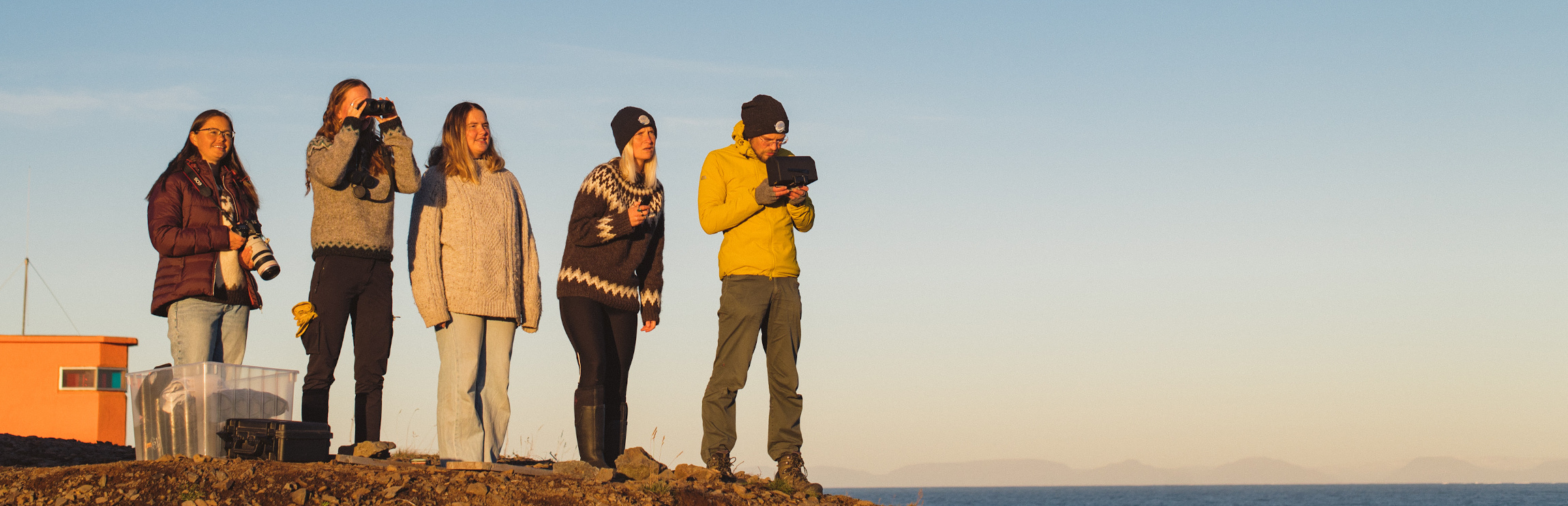
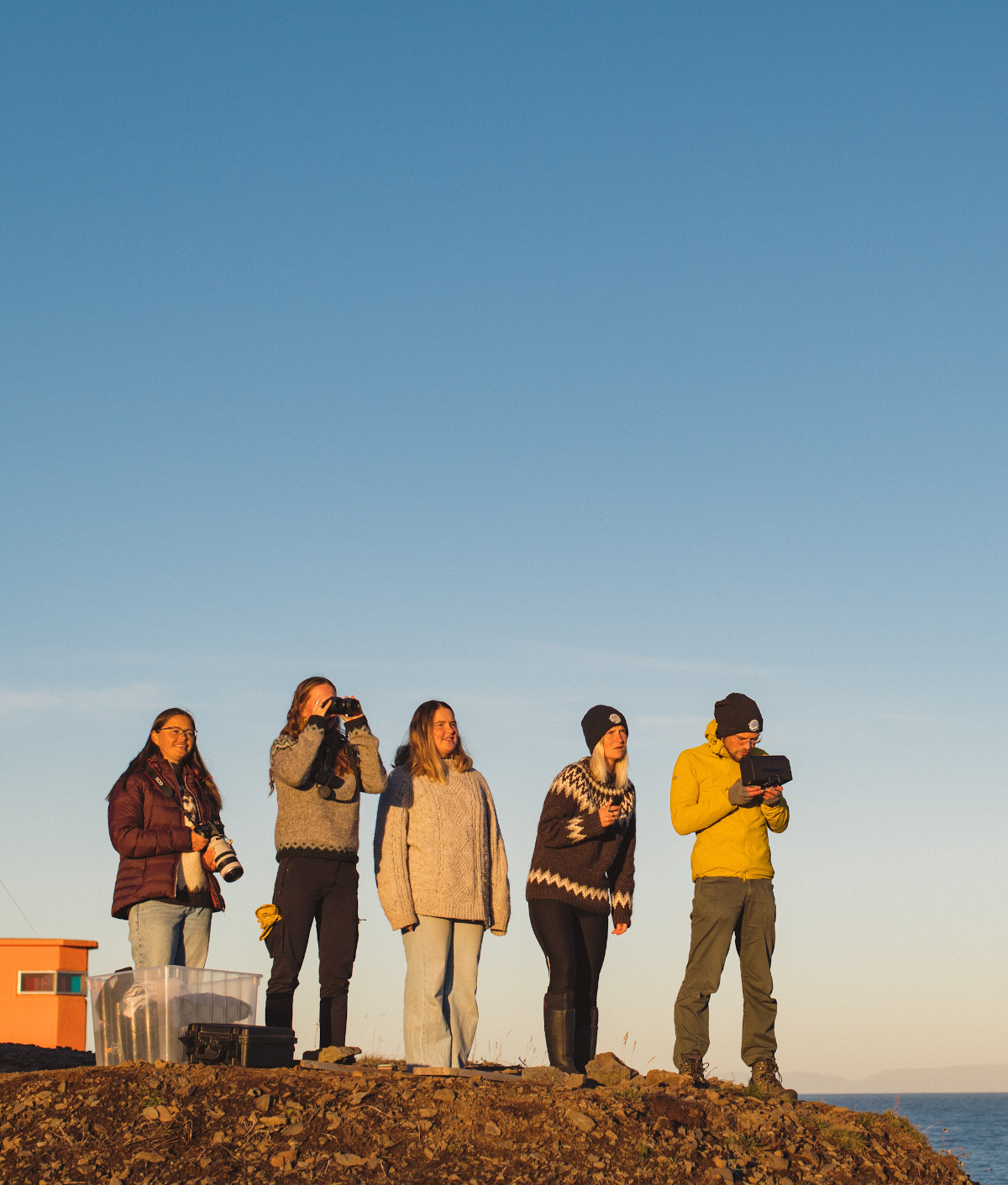
The charity is run day-to-day by a team of volunteers from different parts of the world. The team typically works together in-person for field seasons (so far this has primarily been in Iceland), and then remotely for the rest of year from numerous countries, communicating with one-another virtually. The entire team is involved in both research and engagement, with some specialising in one or the other.
Whale Wise is lucky enough to be overseen by a board of trustees with experience in cetacean research, policy, education and finance – all of which are crucial to running a whale conservation charity.
We are extremely grateful to work with incredible collaborators. The future of science and marine conservation relies on transparent and respectful teamwork. Therefore, at Whale Wise we prioritise extensive collaboration with other organisations for all of our projects.
To date, funding has been primarily supplied by academic grants and donations. These funds largely cover our equipment costs and volunteer living expenses during field season. In the future, we aim to provide a fair living wage for our team, in support of creating a more equitable workplace and improving the accessibility of science. Support our work here.

Evidence
The need for scientific evidence to inform effective conservation is the reason that Whale Wise exists. We conduct scientific research and include local knowledge to ensure that conservation is robust and inclusive.
Equal access
Major barriers to inclusivity and diversity exist in the field of marine biology: taking part as a volunteer is generally expensive and scientific data are often kept behind paywalls. Ultimately, these barriers limit the power of science to do good for people and planet. We strive to properly support volunteers (with the goal of fair wages in the future) and publish our research in open-access formats.
Optimism
An essential part of our working ethos is belief – belief that our work can drive conservation action, and belief that this action can safeguard the lives and welfare of whales. We also prioritise optimism in our working relationships – we place trust in each other and our collaborators, and endeavour to share responsibility across the Whale Wise team so that we can grow together.
Support science for conservation
Our mission depends on your donations and advocacy. Here’s how you can uplift whale conservation efforts.
You can also follow us on social media and sign up to our newsletter. Thank you for supporting our mission.

Support science for conservation
Our mission depends on your donations and advocacy. Here’s how you can uplift whale conservation efforts.
You can also follow us on social media and sign up to our newsletter. Thank you for supporting our mission.