 Whale Wise
 Iceland
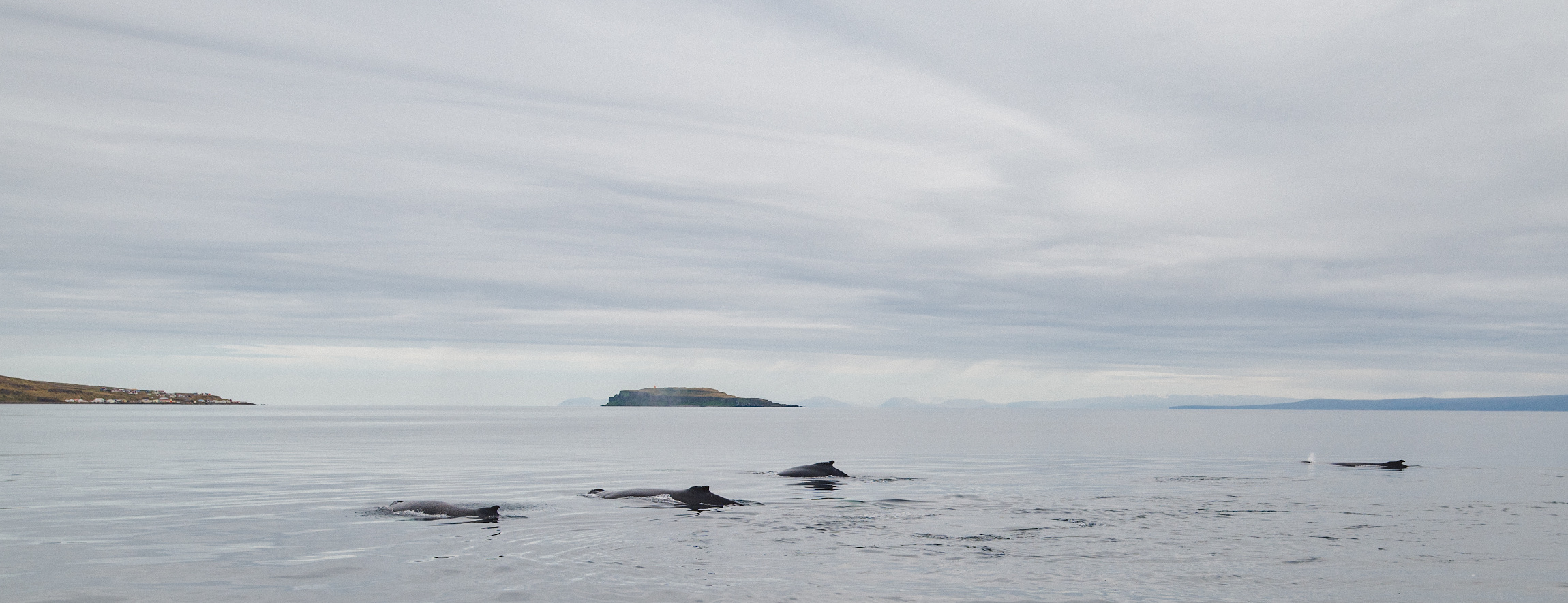
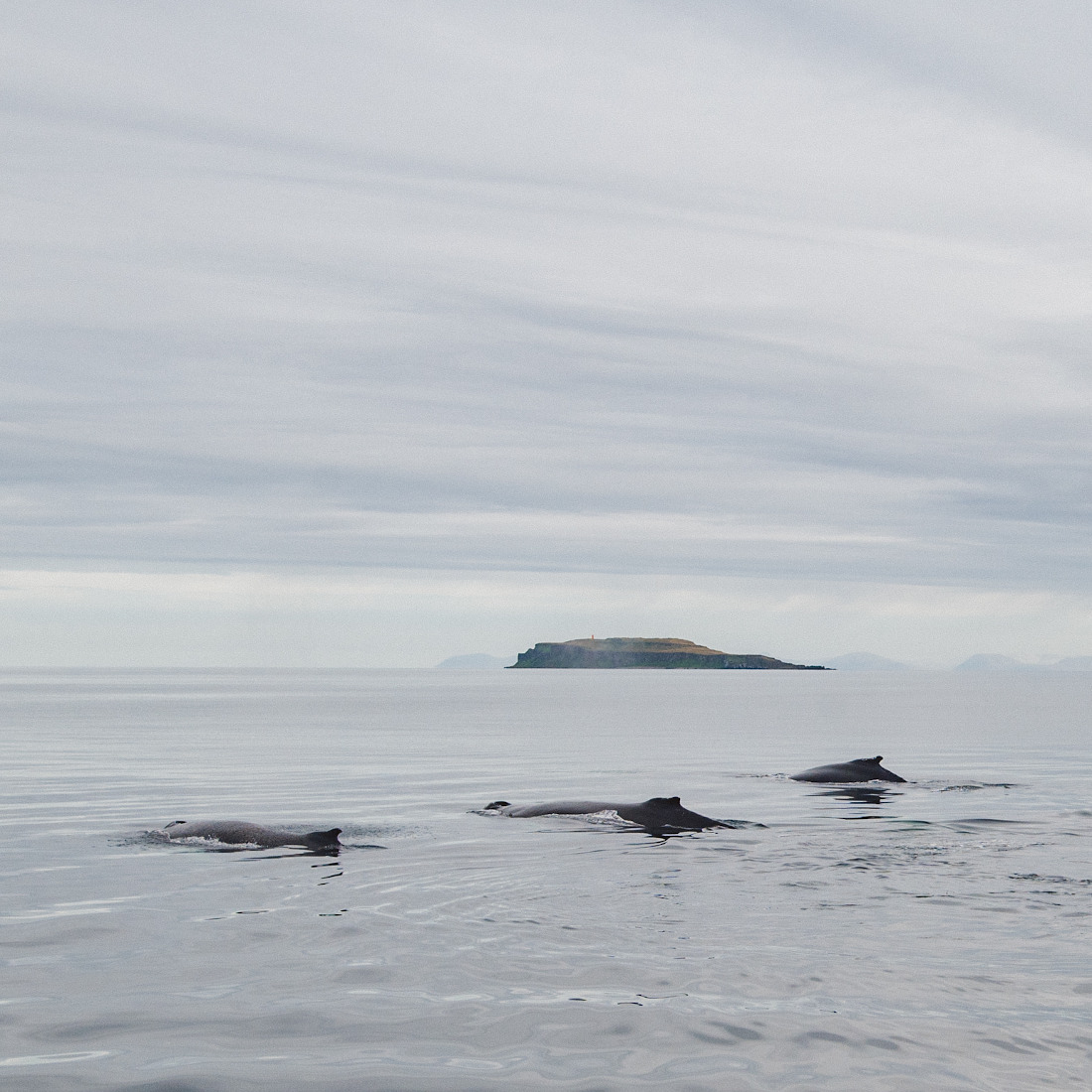
The land of fire and ice is also home to an incredible number and diversity of cetaceans in its productive coastal waters. We are very grateful to conduct research and engagement activities in Iceland, working alongside fantastic partner institutions and communities to better understand and protect local whale populations. Importantly, our work is one piece of a broader marine conservation effort in the country.
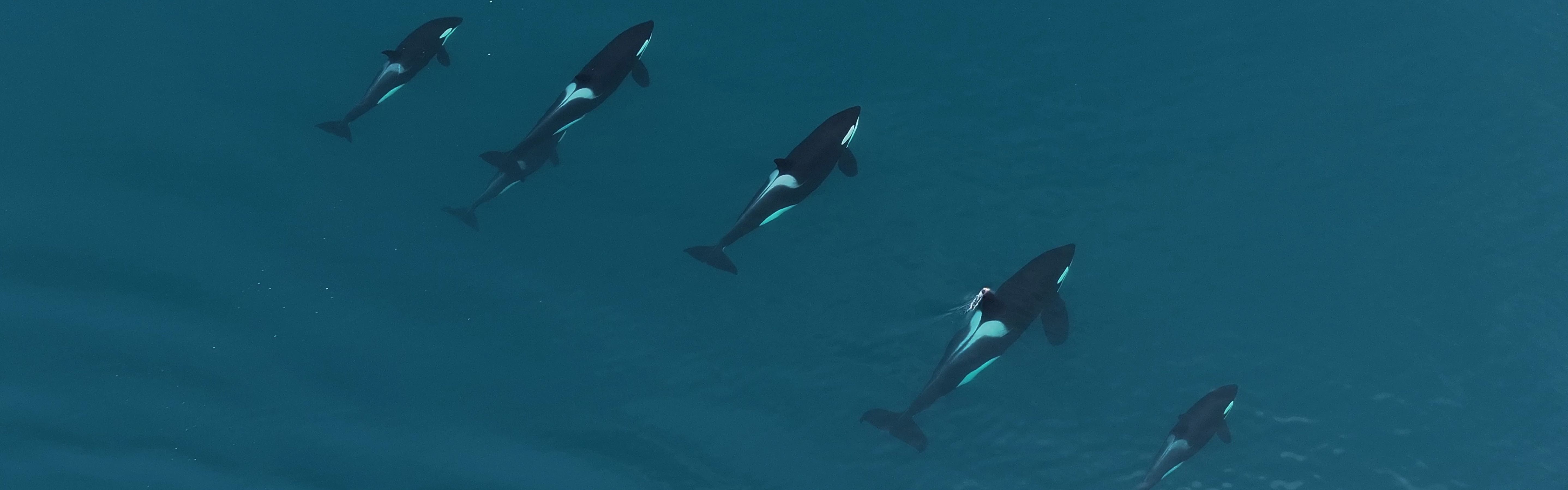
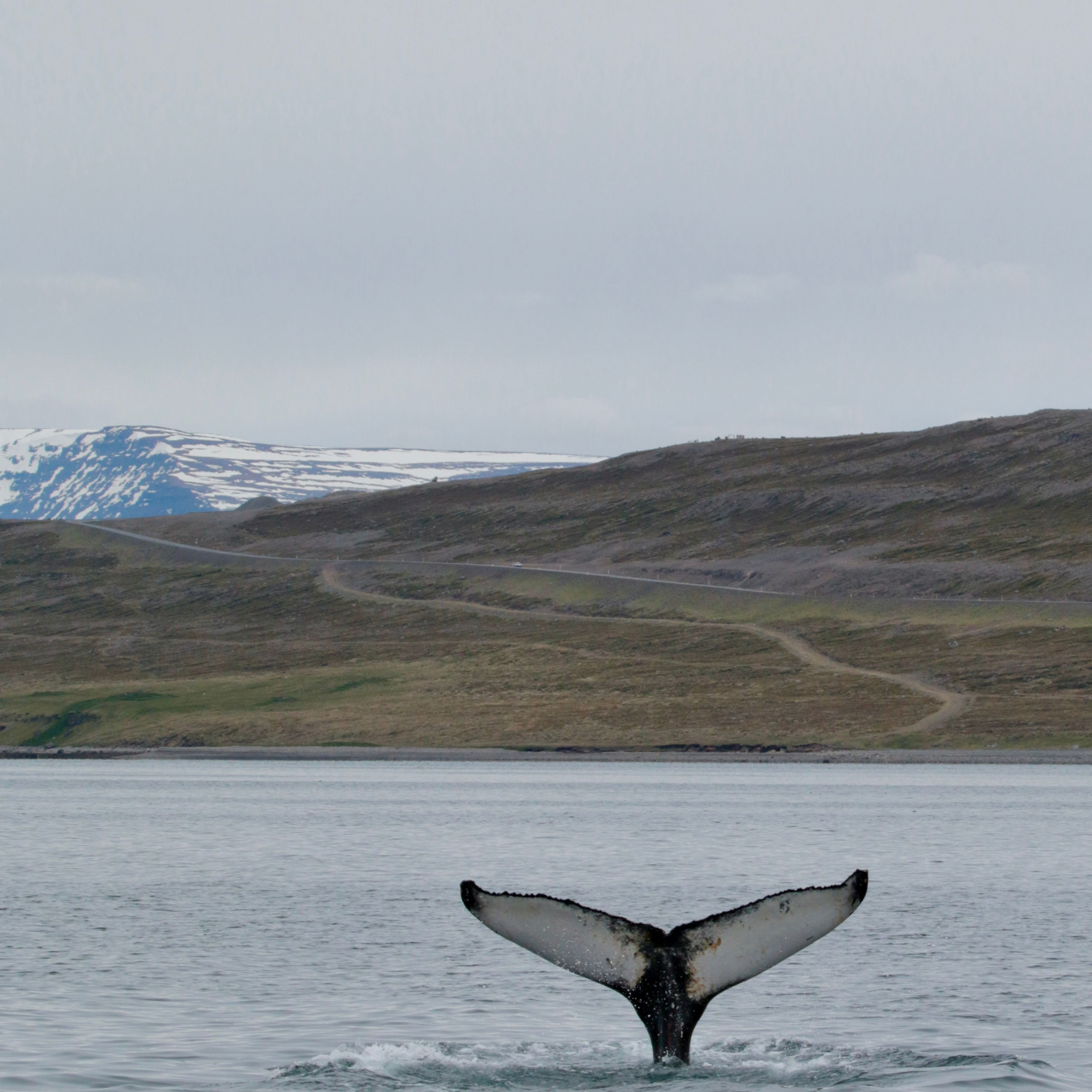
Iceland has an incredible diversity of cetaceans (whales, dolphins and porpoise), with at least 23 species observed within its waters. As a result, whether you’re watching from land or a boat, you never know what you’ll see!
Most of our research focuses on humpback whales, the most well-known and commonly sighted large whale in Iceland. Owing to their charismatic nature and recent increase in abundance in coastal waters, humpback whales are the main target for national whale-watching activities. These whales undertake incredible migrations from their breeding grounds in the Caribbean and West Africa to feed in Iceland in summer (primarily on krill and fish), but a number of animals also stay throughout winter. Despite being one of the most studied species in Iceland (and the most studied large whale in the world), humpbacks are still an enigma – why do they sing throughout the dark Icelandic winter? How do they select habitat in coastal waters? Why has coastal abundance continued to increase in recent years? We’re excited to contribute to unravelling these mysteries. Over the years, we have developed close relationships with the humpbacks of Iceland and come to know them on an individual basis. We care for them deeply and love sharing their stories, and those who wish to follow along more closely can do so through our adopt-a-whale programme.
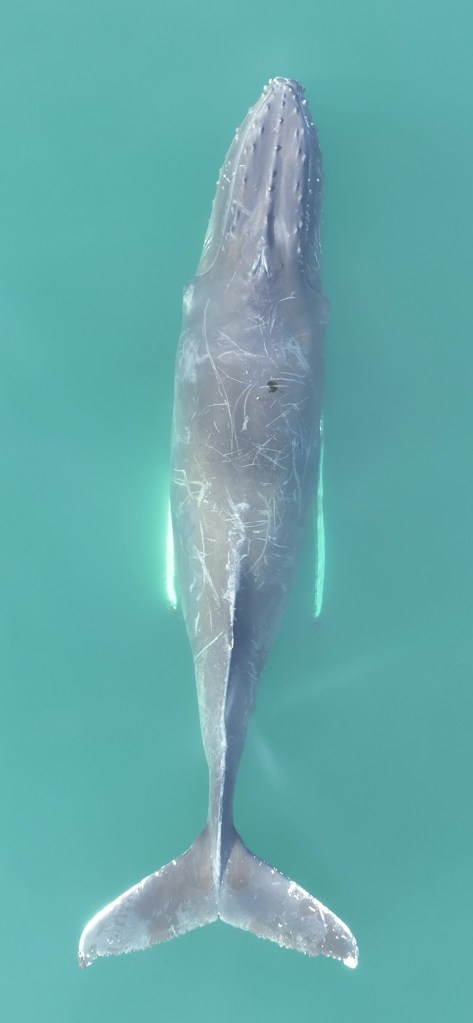
The diversity of whales stretches far beyond humpbacks, even in coastal waters. Common minke whales, white-beaked dolphins and harbour porpoise are frequently spotted all around the Icelandic coast. Orcas and sperm whales are locally or seasonally common, and if you’re lucky you might even see blue, fin or sei whales. Why so many whales and so many species? Iceland’s cold waters are very nutrient rich and, especially in summer, blooms of phytoplankton (tiny photosynthetic organisms) sustain huge abundances of zooplankton and fish, which are in turn eaten by whales!
If you are ever in Iceland, check out our citizen science resources to identify whale species and contribute your sightings to a growing national database. With your help, we can better understand the occurrence, distribution and diversity of Icelandic whales. You can also find out the best places to see whales from land in Iceland, and what time of year, with our digital land-based whale-watching guide.


Like other parts of the world, Icelandic whales are under threat. Since many species (especially large whales) are migratory, these animals could face human pressures from across the North Atlantic. Primary threats include:
- Entanglement and bycatch in fishing gear, which can lead to drowning, injury and impaired movement.
- Vessel traffic, which can lead to fatal ship strike (boats hitting whales), impairment of hearing and disrupted behaviour. This may include whale-watching activities.
- Underwater noise is increasing due to growing vessel activity and coastal development, which can lead to decreased or hindered communication, navigation and feeding.
- Climate change impacts on ecosystems and prey availability, which may already be driving changes in whale distribution and abundance in Iceland waters.
- Commercial whaling: Iceland still hunts fin whales. This is not the focus of our research but whaling does represent a threat and is largely unsupported by the Icelandic public.
Our goal is to understand the impact of these human-caused threats so that we can inform marine conservation action in Iceland to safeguard whale populations for many years to come.
We are proud to contribute to whale research and conservation in Iceland but we are only one part of a fantastic conservation community. A whole network of organisations is working towards the common goal of protecting Iceland’s marine life and we are fortunate to work with many of these institutions. This is far from an exhaustive list but we wanted to introduce you to some of our partners and the amazing work taking place in Iceland.
Húsavík Whale Museum is a hub for whale education and research in North Iceland. Developed off the growing success of whale-watching in Húsavík, the museum has incredible whale exhibits, in particular their collection of skeletons. They run a whale school, hold an annual whale congress and provide a priceless platform for researchers and artists to share their message. We work with the museum to run an annual film festival, create exhibits and advance citizen science in Iceland.


Research Centre Húsavík is part of the University of Iceland and is involved in virtually all whale research in Skjálfandi Bay, with other research projects around Iceland. Running an internship programme with whale-watching companies, the centre has gathered information on whale occurrence, distribution, behaviour and human impacts (from entanglement to oil and gas exploration). We have been so fortunate to collaborate with Prof. Marianne Rasmussen and Dr Charla Basran from the research centre and benefit from their local knowledge and whale expertise.
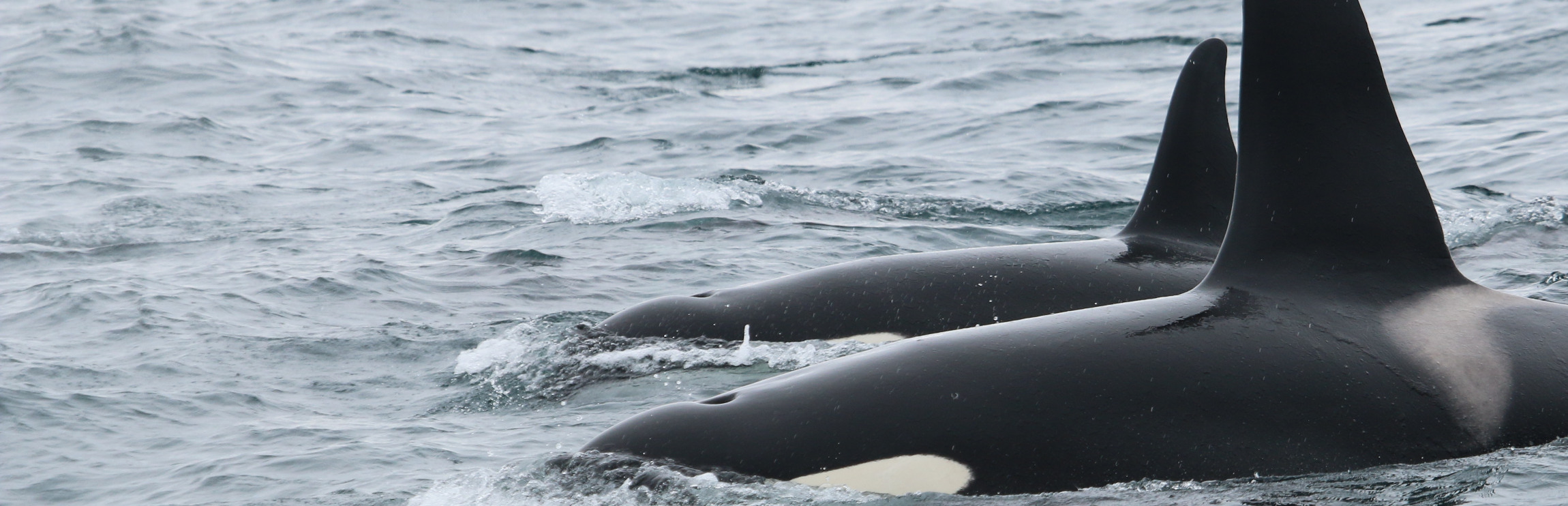
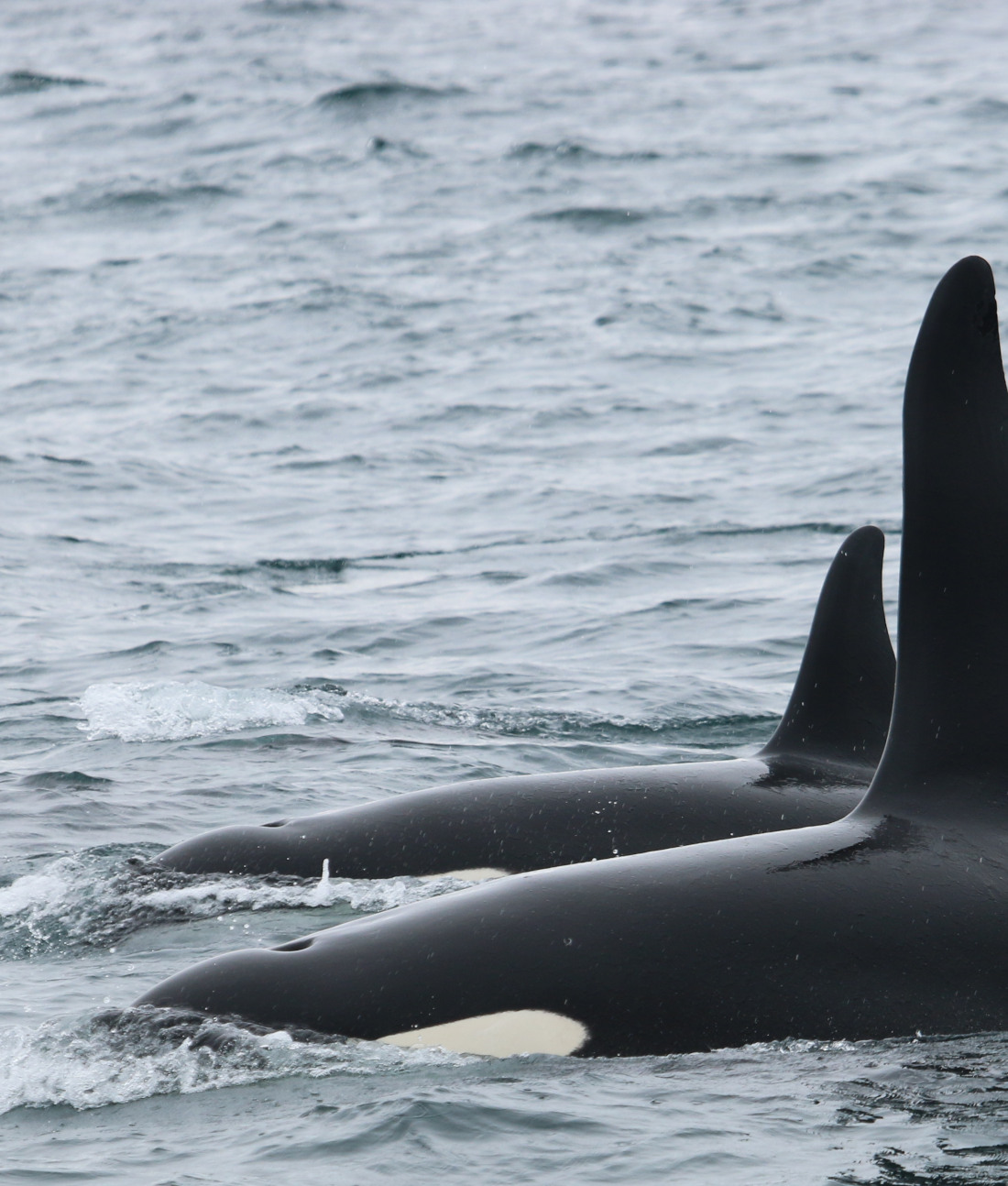
Icelandic Orca Project is an amazing project of the University of Iceland’s Research Centre in Vestmannaeyjar, an archipelago off SW Iceland. Led by Dr Filipa Samarra, IOP is dedicated to studying and protecting orcas around Iceland, using a variety of methods (from acoustics to tagging) to unravel their ecological mysteries. We’ve been lucky enough to work with the IOP team to share data and contribute to education.

Whale research organisations aren’t the only ones contributing to long-term whale research. Whale-watching companies have played a key role in Icelandic whale research, acting as an opportunistic platform for scientists to observe cetaceans. To date, we have worked extensively with North Sailing and Láki Tours, while many others contribute to research. Beyond whales, other marine conservation organisations exist in Iceland, such as Ocean Missions, which runs an incredible series of beach cleans around the country and is studying plastic pollution in Icelandic waters.
Finally, we want to recognise the passion, interest and care that many local communities in Iceland show towards whales and the marine environment. Iceland has incredibly close ties to the water, in terms of culture, geography and resources. We have met and worked with some amazing people around the country – including fishers, whale-watching guides, farmers and countless others – who are genuinely concerned about marine conservation and have helped with our research.


There’s no denying it — we are very lucky to study whales in a place as beautiful as Iceland. An Arctic land of ice and fire, our current base in the Westfjords consists of dramatic glacial valleys, windswept mountains and stunning, winding fjords (sometimes full of whales!). Summer is marked by short-lived greens and endless sunsets of orange and pink painting the mountains, the sound of breeding birds filling the air. As the busyness of summer softens into a golden glow of autumn, the birds quieten and the land prepares for a long winter hibernation. And just as the land begins to slumber, the night skies come to life, the aurora dancing its colourful away across starry vistas.
Iceland, you are truly awe-inspiring.


