 Whale Wise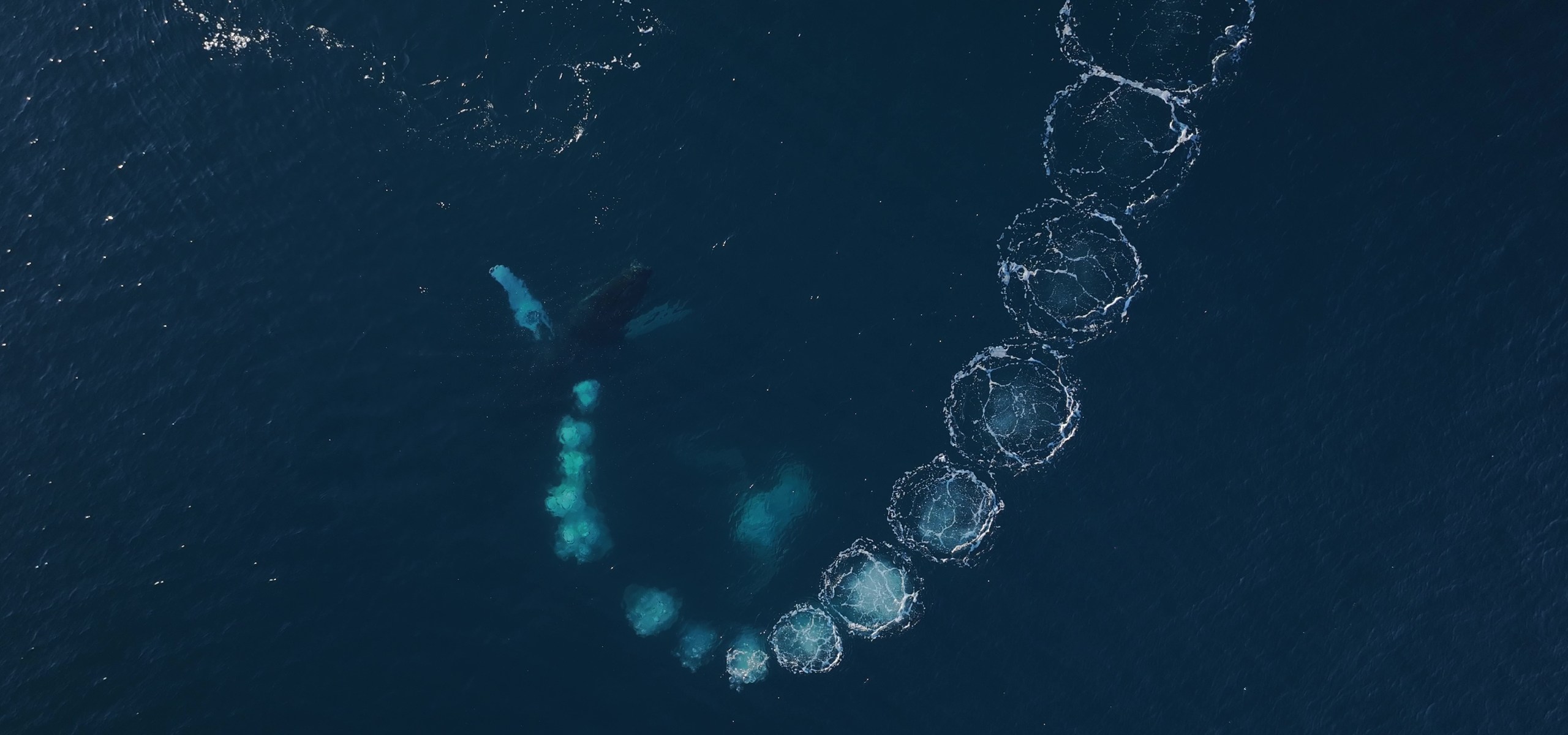
Spring whales of Finnafjörður: 2026 fieldwork plans
Written by Tom Grove
For the past years, we have studied the whales of Bakkaflói and particularly the small fjord of Finnafjörður, in the far northeast of Iceland. This April we’re back in the east, conducting drone and photo-ID surveys to build upon our existing research.
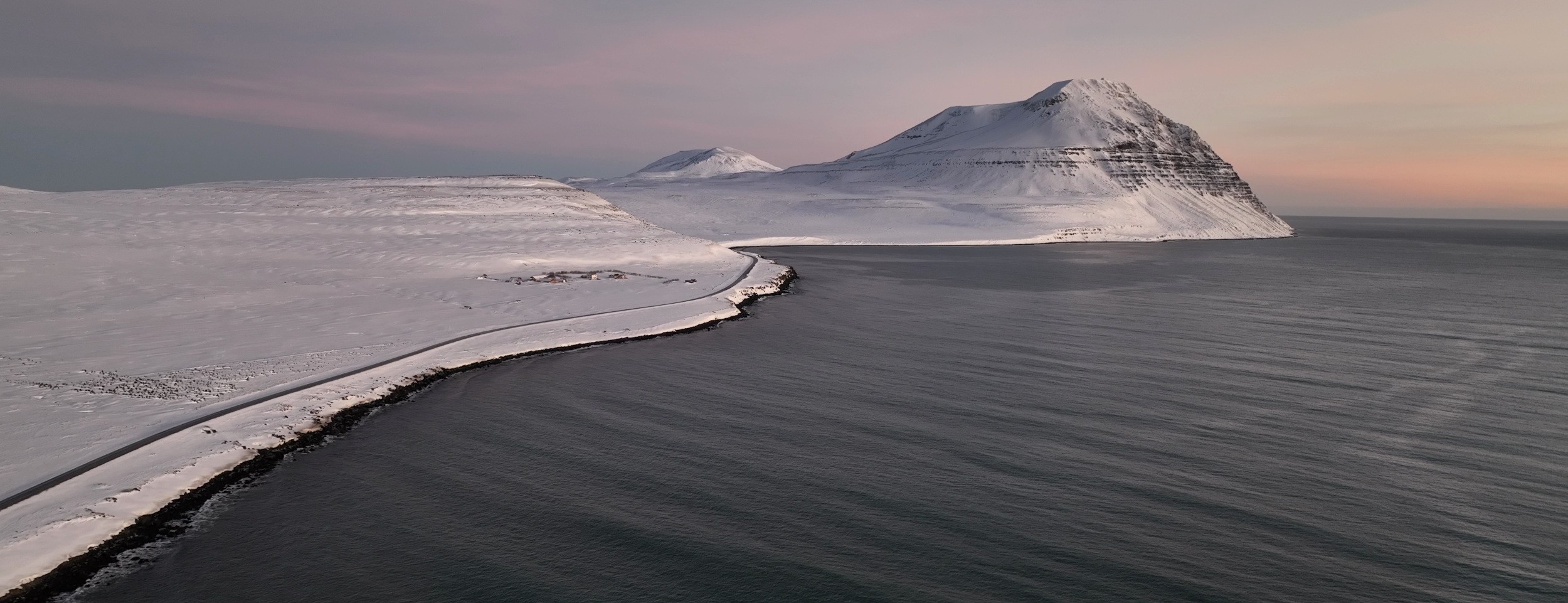
Finnafjörður is one of the most remote parts of Iceland, a near-pristine fjord with limited human activity other than small-scale fisheries. Local communities were aware of long-term whale occurrence, but the area’s habitat importance had not been scientifically confirmed.
Since 2021, we have conducted targeted research to better understand whale occurrence, diversity, movement and behaviour in this area. And the results so far have been astounding:
- Long-term hydrophone deployments confirmed that consistent winter presence of humpback whales in the area, revealed by some incredible winter singing
- In Spring 2025, we documented large numbers of humpback whales bubble-net feeding – a rarely observed behaviour in Iceland in which whales create a ring of bubbles to corral their prey
- White-beaked dolphins, minke whales and harbour porpoises also documented in the fjord
In other words, we have evidence that this area might be an important foraging habitat for whales. However, we want to explore the long-term significance of this area. Did we get lucky with our sightings and recordings so far, or do they represent stable habitat use across many years? The only way to find this out is to extend our monitoring, so that’s what we’re doing!


Spring 2026 fieldwork plans
In April 2025 we found large numbers of humpbacks during an opportunistic three days of fieldwork, thanks to observations from our friends in the area. This year, we’re more prepared – we are spending two weeks in the area, searching for whales around the coastline. We will use drones to identify individual humpbacks, record sighting locations and measure length and body condition. If conditions and sightings allow, we will also deploy a short-term hydrophone so we can match visible behaviours to whale vocalisations.
Using these methods, we want to answer the following questions:
- Were the incredible whale sightings from Spring 2025 a fluke (pun intended), or did they represent an annual occurrence?
- Do the same humpback whales return to the area each year?
- Over the two weeks, how consistently do we sight different whale species in the area?
- Is there still clear evidence of feeding? This could include bubble-netting or surface feeding.
- How big are these whales? Initial observations suggest that some of these whales could be fully grown adults, which is somewhat unusual in coastal Iceland
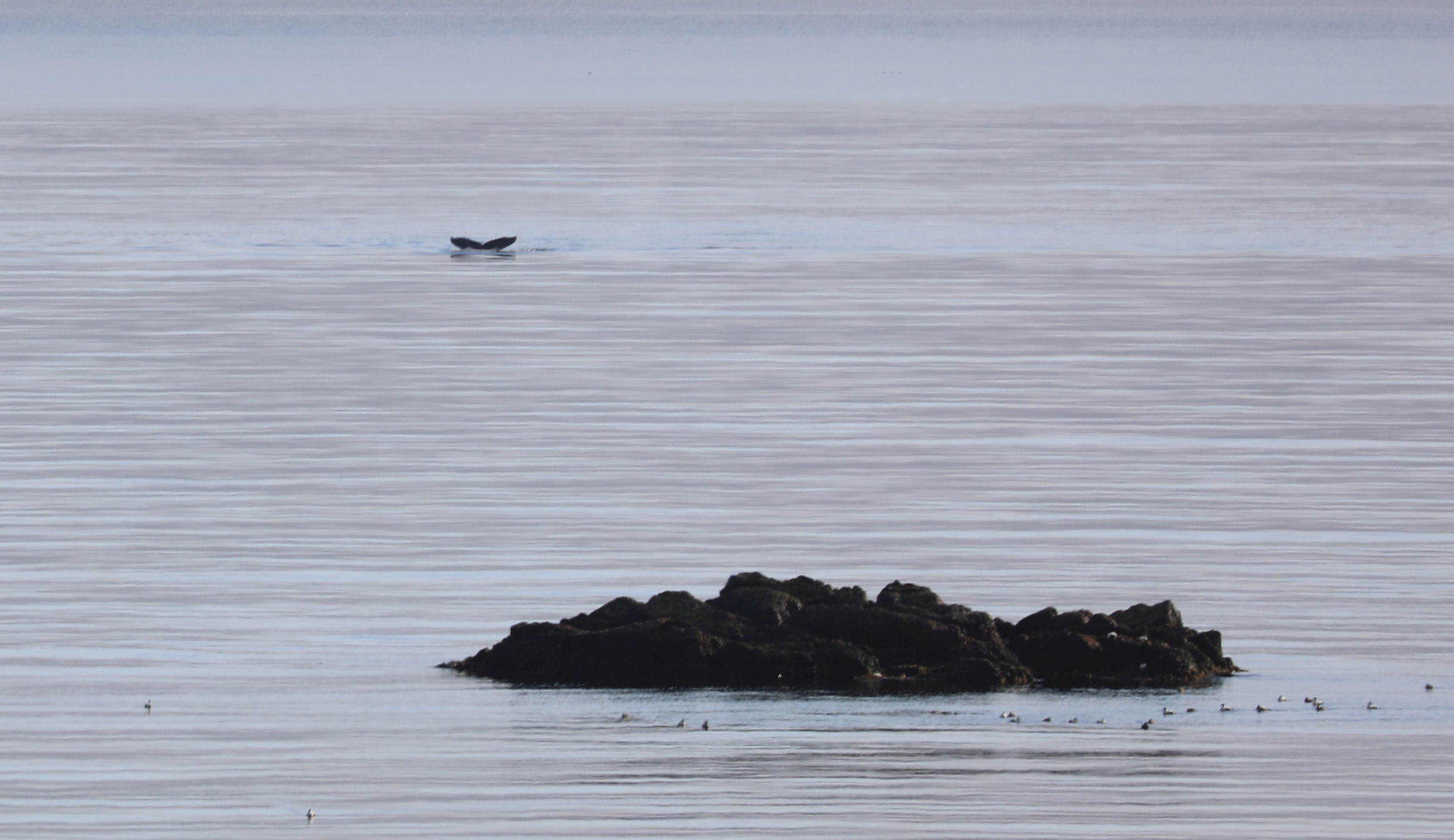
We are so grateful to our friends in Finnafjörður and the village of Bakkafjörður for making the project possible. Your sightings and local knowledge have deeply shaped this project and facilitated our scientific research. People have called us with whale sightings, taken videos and shared their insights into regional whale ecology. This research wouldn’t and shouldn’t happen without this local input.
Why does this matter?
Until our research started in 2021, the whales of Finnafjörður hadn’t been studied at all – in fact, from a scientific perspective, we knew very little about whales in this entire region (the far northeast of Iceland). This region is also very remote, with limited human activity, and can be considered near-pristine in some ways. Therefore, we have a fantastic opportunity to study the occurrence, diversity and behaviour of cetaceans in this region before any potential industrialization in the area. This allows us to assess potential impacts before they take place and inform responsible development. In particular, the planned construction of a large port in Finnafjörður would bring increases in vessel traffic, underwater noise and major habitat modifications. We hope that our research will be used to minimise its impacts on seasonal populations of humpback whales, white-beaked dolphins and other cetaceans that use the area.

Thank you to everyone who has supported this research project to help give whales a voice through scientific research.