 Whale Wise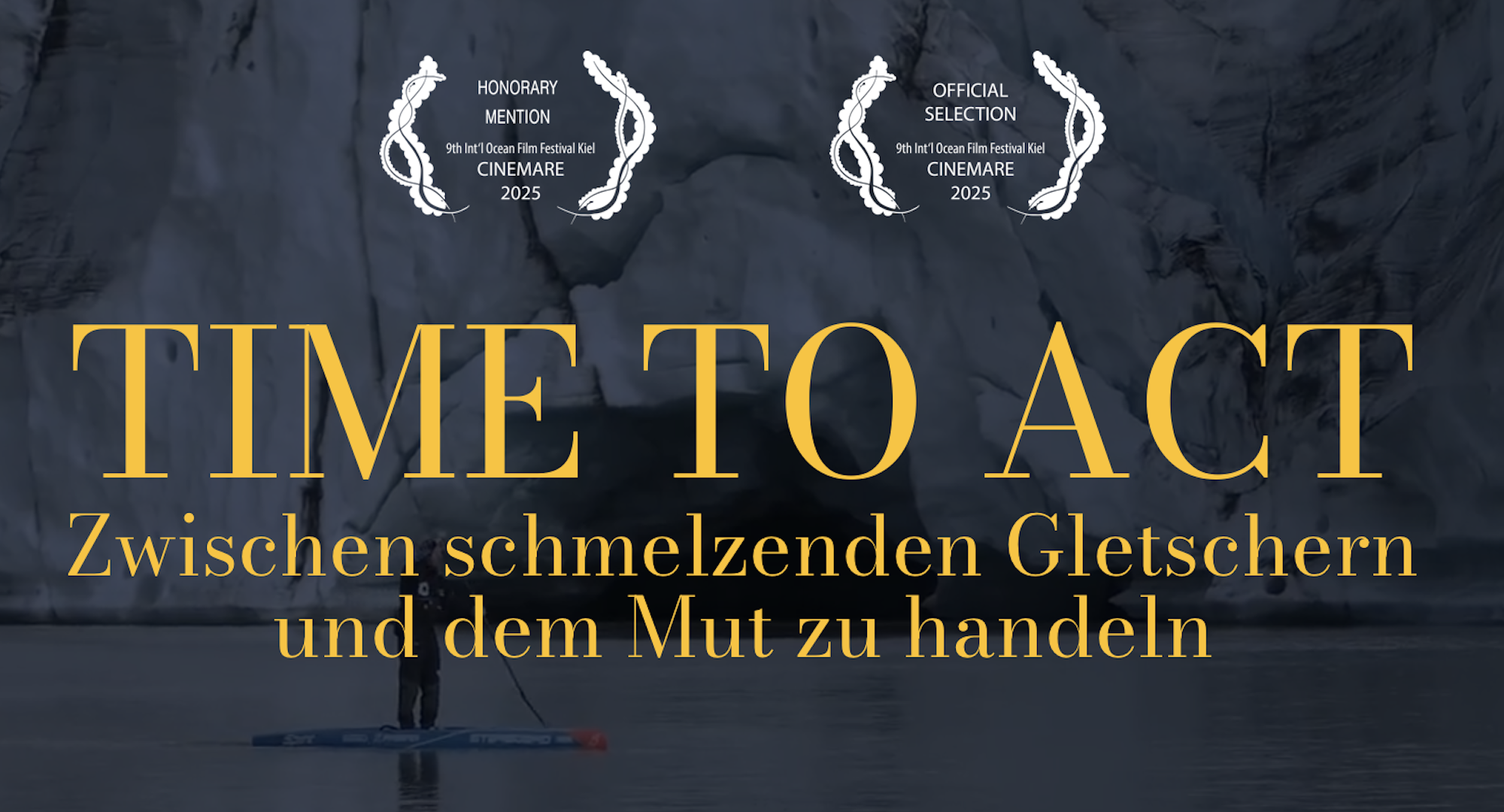
From Conservation to Cinema: Whale Wise and the movie “Time to Act”
by Johanna Behrisch

Last October we had the privilege of welcoming Phil, Till and Michael, the filmmakers behind the documentary “Time to Act”, to the little village of Drangsnes in Iceland where we have carried out a part of our fieldwork since 2021. They visited us to learn more about our work and to hear our story: how protecting whales is also protecting the climate.
The film highlights individuals and organizations across Iceland who are standing up for our planet. It shows that meaningful action is not only possible but already happening. What makes the film so powerful is that it shows how everyone can contribute, no matter their background. Architects, designers, artists, authors, teachers, economists, scientists and many others all have the ability to make choices that protect the climate and inspire others to act. Change is not limited to one field or profession. It grows stronger the more people who take part. We were proud to contribute to this message by showing how protecting whales is also safeguarding their vital role in the fight against climate change.
Why Protecting Whales Means Protecting our Climate
Whales play an outsized role in ocean health and climate regulation, through the whale carbon pump. The pump refers to when whales feed at depth and then release nutrient-rich waste near the surface, they stimulate the growth of phytoplankton. These tiny plants absorb large amounts of carbon dioxide from the atmosphere through photosynthesis. In this way, whales indirectly support one of the most important natural processes for reducing greenhouse gases.
In addition, when whales die, their bodies sink to the seafloor in what is known as whale fall. These carcasses contain a huge amount of carbon that the whale stored during its lifetime. By sinking to great depths, they transfer this carbon away from the surface ocean and atmosphere. In the deep sea, circulation is extremely slow. This means that when the whale’s biomass is broken down and remineralised by microbes, much of the carbon remains trapped in deep waters for hundreds to thousands of years before it can return to the surface. Some of the carbon also becomes buried in sediments, providing an even longer-term storage. In this way, whale falls act as a natural form of carbon sequestration and help mitigate climate change. Whale falls are also vital for deep-sea ecosystems. The deep ocean is usually very low in food, but a single whale carcass creates an oasis of life. Scavengers such as sharks and fish feed on the soft tissue first. Then smaller organisms and microbes colonise the bones, supporting entire communities of species that often exist nowhere else. Some whale falls can sustain life for decades, making them biodiversity hotspots in one of the most food-limited environments on Earth.
Our research is driven by a commitment to protect whales and the crucial roles they play in the marine ecosystem. We investigate how human activities such as ship traffic, noise pollution, and exposure to plastics and chemicals impact their health and behaviour. By identifying and mitigating these threats, we aim to create conditions in which whale populations can flourish. Healthy whales not only strengthen marine ecosystems but also provide important climate benefits, making their protection essential on multiple levels.
From Iceland to Kiel
This summer, “Time to Act” premiered in Kiel, Germany, where Johanna from our team had the opportunity to meet Phil, Till, and Michael. At a following screening, she participated in an on stage interview to share more about our work, answer audience questions, and join Phil, Till, and Michael in discussing why the time to act is now. The conversation emphasized that everyone, regardless of their background, can contribute to positive change. This idea is at the heart of our Whale Wise team, where the diverse experiences, skills, and perspectives of each member are what make our work possible.
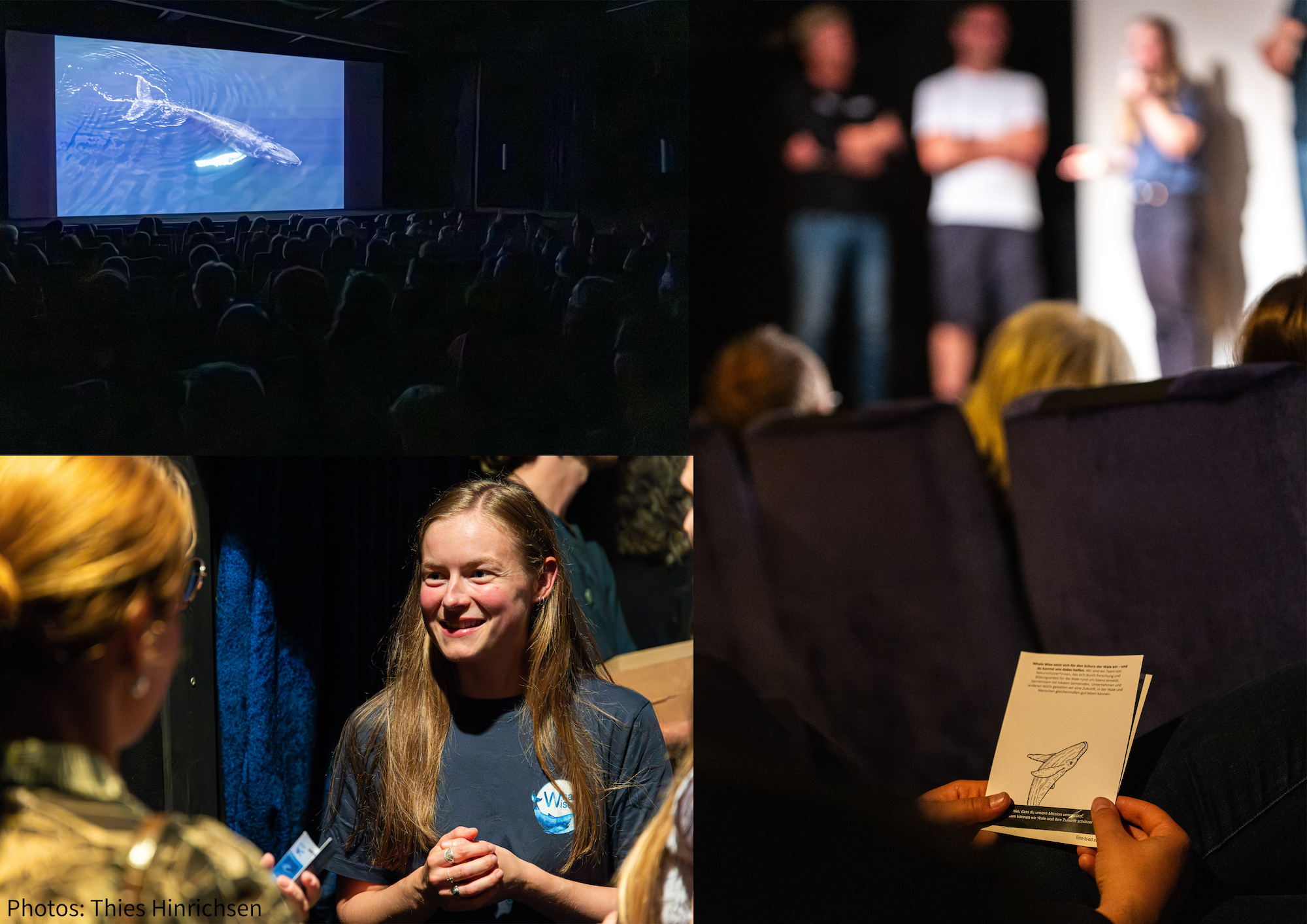

It was an inspiring evening. Meeting so many people eager to learn and to help was a powerful reminder that change happens when we connect, share knowledge and take action together. We are deeply grateful to Phil, Till and Michael for including Whale Wise in this important project. Their film shines a light on stories of hope and action, and we are proud to be part of that message.
👉 You can learn more about the film and its protagonists here: Time to Act