 Whale Wise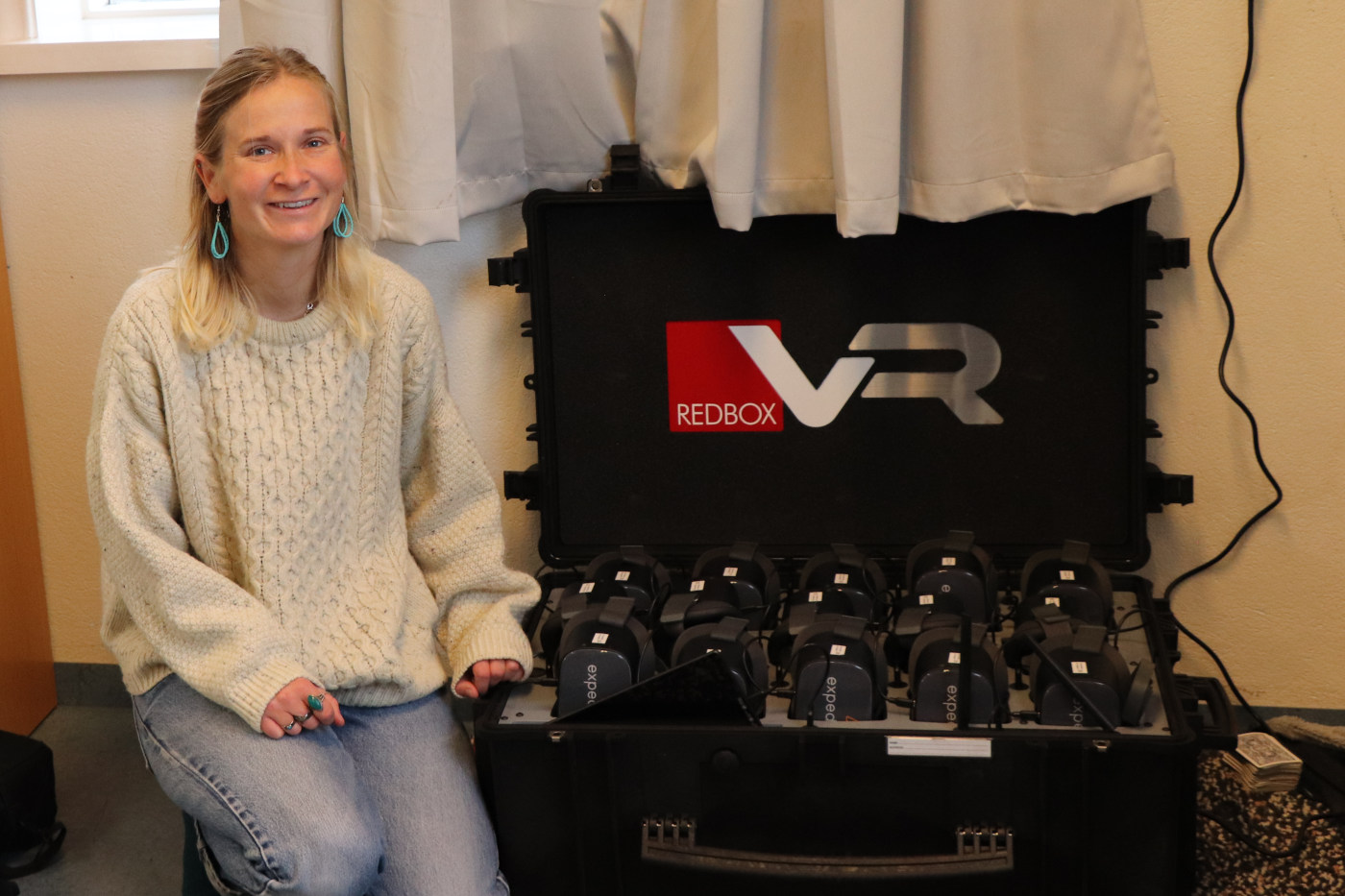
ViROE


Virtual Reality for Ocean Education, based on an Arctic sailing expedition
A major challenge in conservation is enthusing the public about the most remote, fragile ecosystems of the world, such as the Arctic. Without experiencing these places, how we can develop a personal connection and sense of duty to protect them? Virtual reality could contribute to the solution, allowing people to experience distant places without visiting them. We have partnered with Barba.no and the University of Iceland to combine an Arctic sailing expedition with virtual reality, providing memorable experiences and environmental education in classrooms and museums.
Aims
To use virtual reality for environmental education, ViROE aims to:
- Develop educational resources (focused on Arctic environments) using VR footage
- Trial resources in schools and museums to refine resources
- Distribute resources across schools and museums

Project details
In 2021, we partnered with the University of Iceland (lead institution for the project) and the sailing boat Barba to plan a programme of scientific research as part of Arctic Sense, a 10,000 km expedition around the Arctic Atlantic. As part of this, we wanted to share meaningful moments and team experiences from the voyage, including our research, whales of the Arctic and the scenery and geography of this inhospitable environment. Conveying these experiences can be a challenge using conventional methods, so we explored the use of 360° footage and VR to provide ‘virtual mobility’ to transport the public into a very different world. We also wanted this initiative to be educational, conveying messages about climate change, environmental fragility and scientific research.
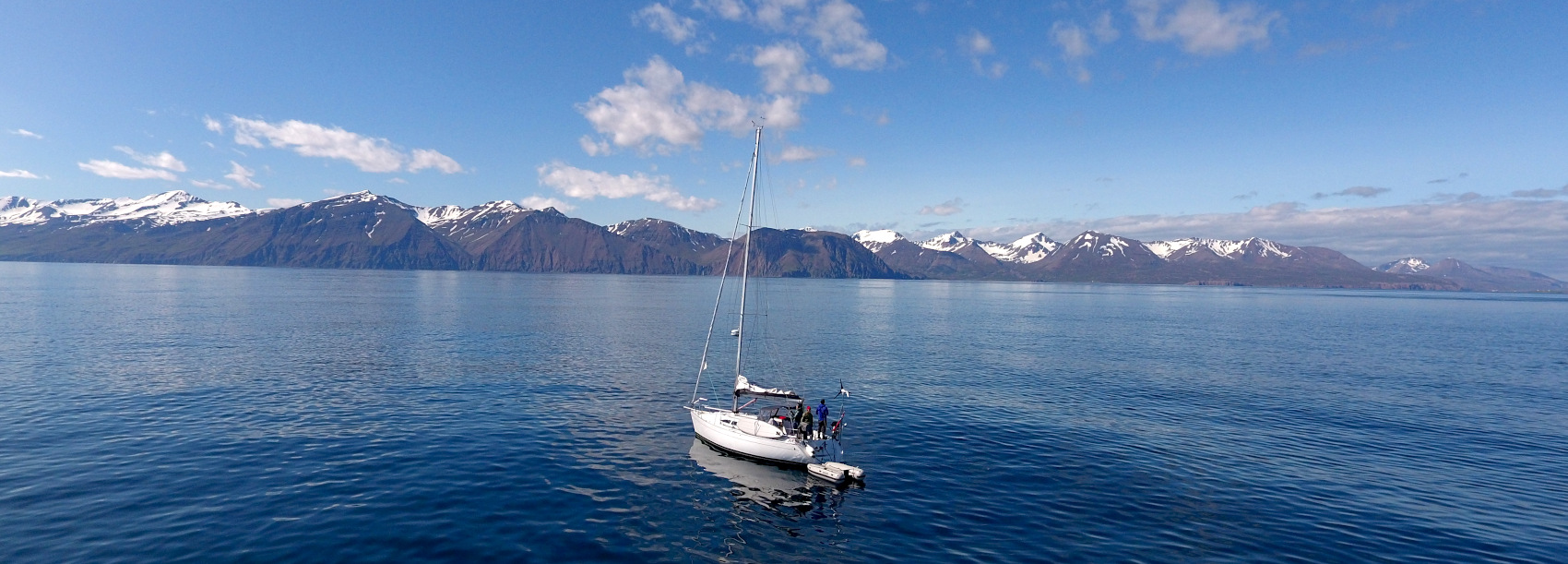
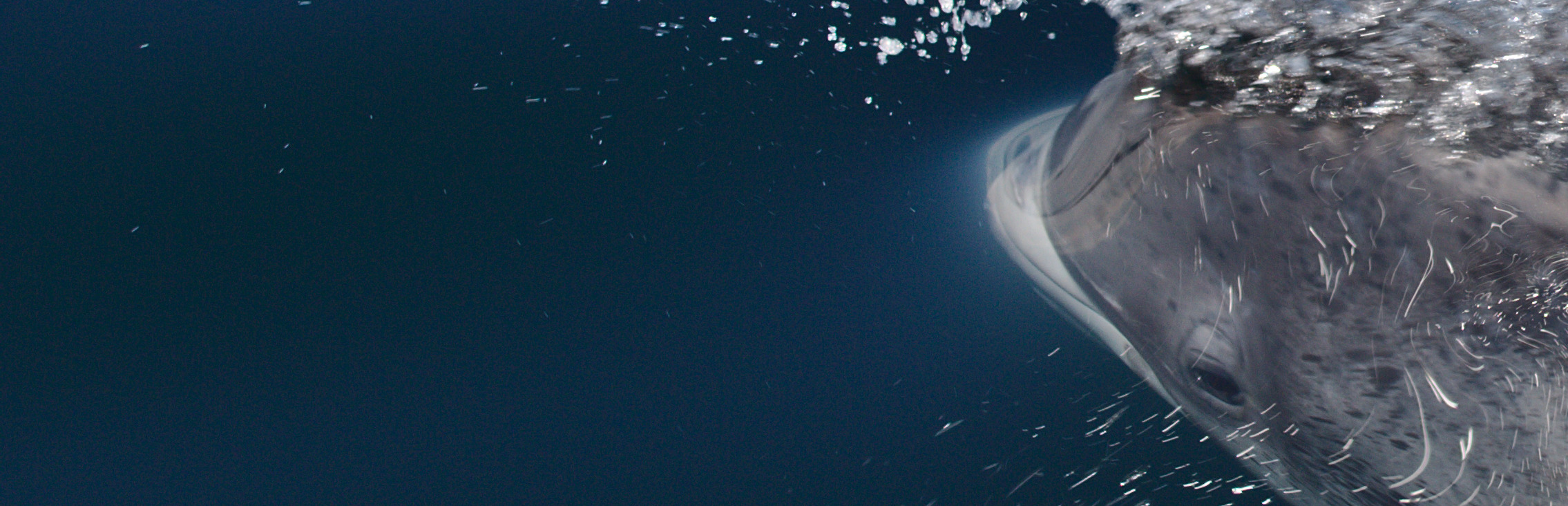
To do this, the Barba team used 360° cameras (during Arctic Sense and other voyages) to capture footage of field research, whales and scenery – highlights include the deployment and ecstatic recovery of a long-term hydrophone to listen for whales around Svalbard; the Austfonna ice cap of Spitsbergen, with raging rivers of meltwater; and incredible encounters with sperm whales, blue whales, white-beaked dolphins and humpback whales. These videos were uploaded to VR headsets for easy, portable and immersive viewing. Next, we developed associated educational material: lesson plans for school teachers and student ‘expedition journals’ with problem-solving exercises (using illustrations provided by Connelli Designs). We then trialled these resources in schools (as a one-day programme) and museums (as an exhibit) in three countries – Iceland, Norway and Denmark – involving more than 500 students and visitors. From each institution, we received feedback to improve and refine these resources. Into the future, we are excited to make these resources more widely available to make environmental education more exciting and impactful.
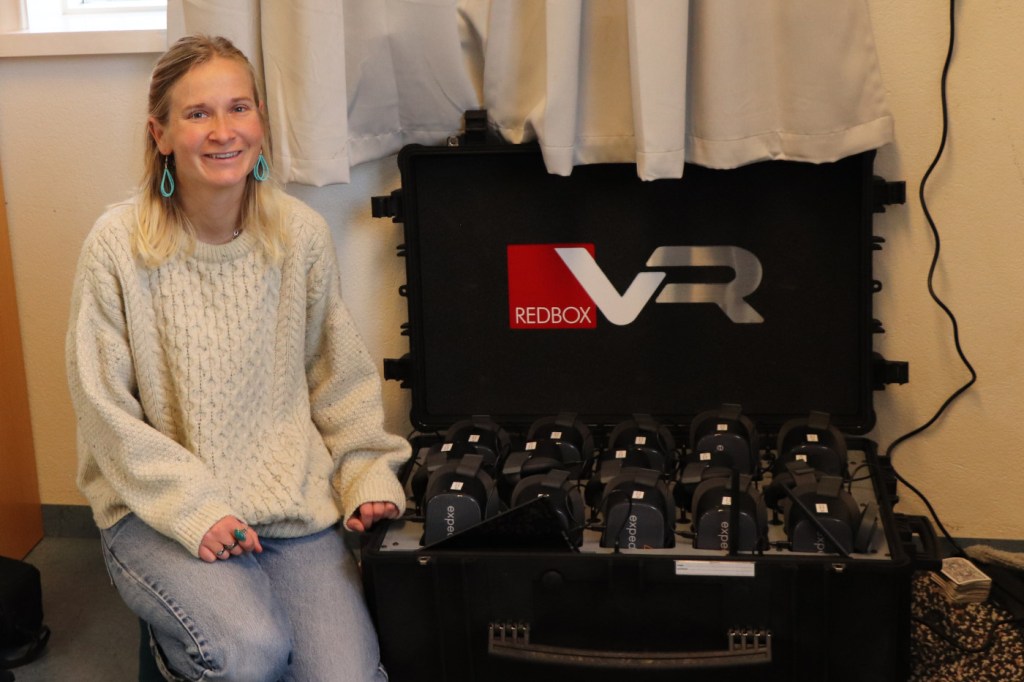
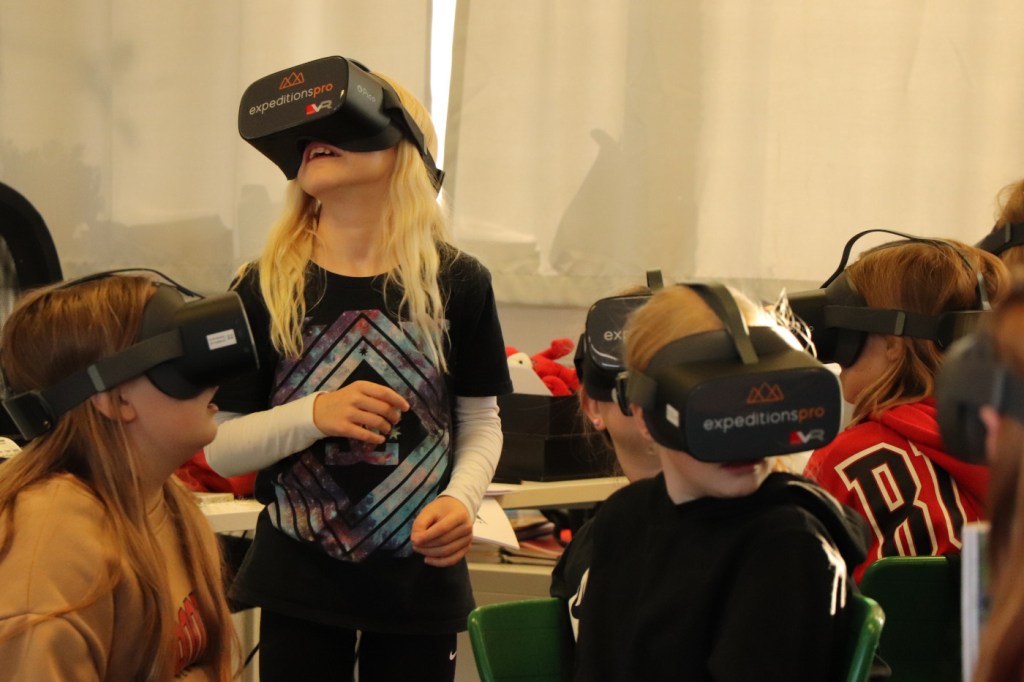
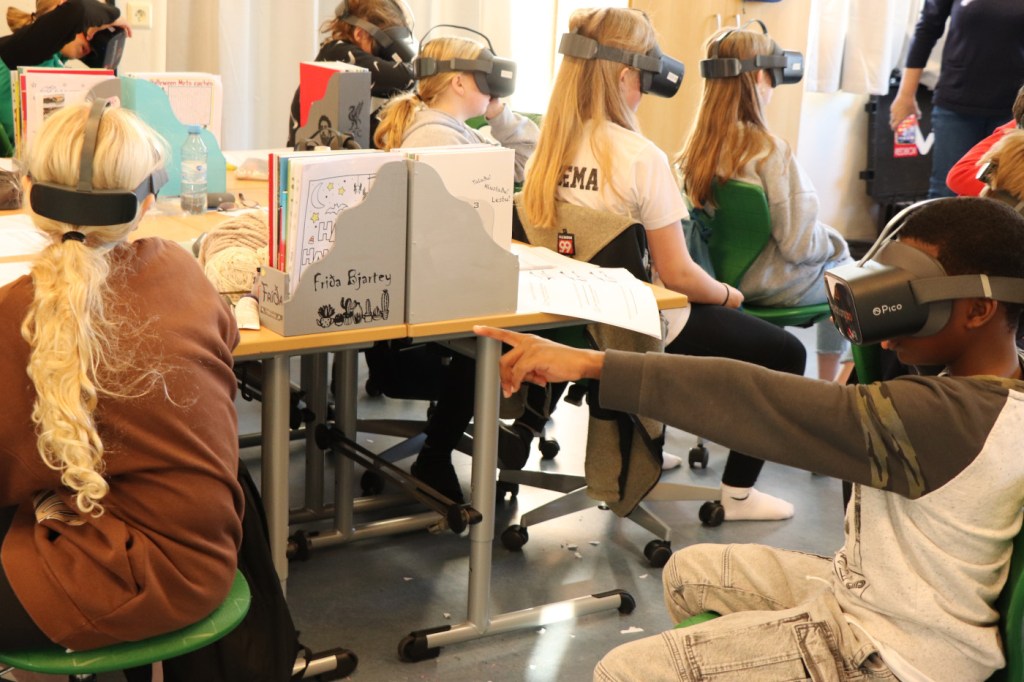
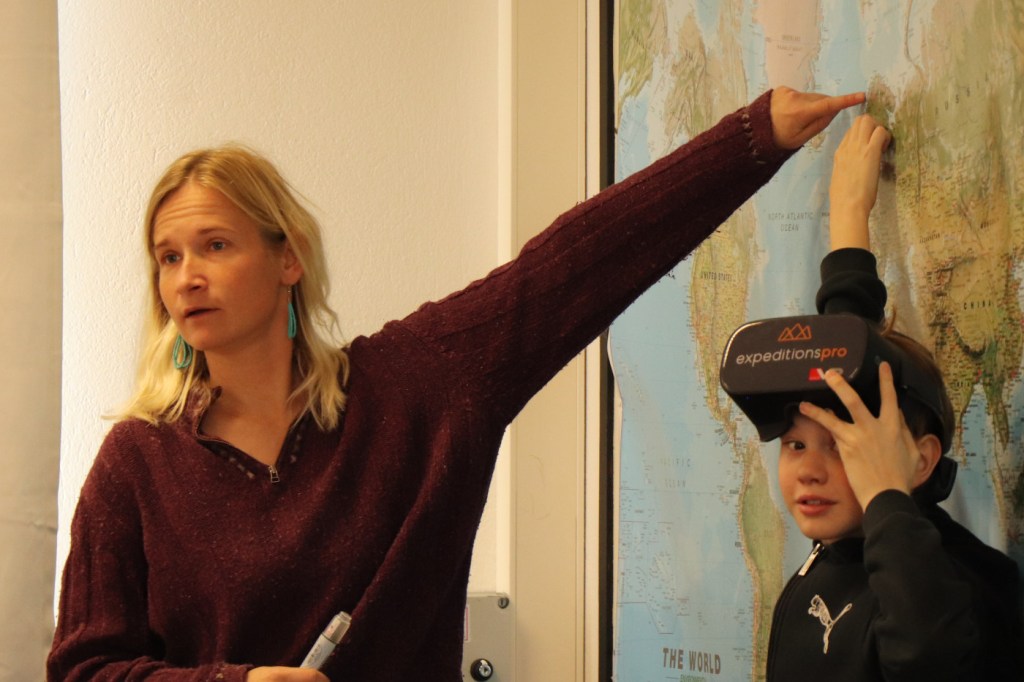
We are so grateful for the educational partners of ViROE for guiding and refining the development of these resources: Húsavík Whale Museum and Borgarhólsskóli (Iceland); Whalesafari Andenes and Atlanten ungdomsskole (Norway); and The North Sea Oceanarium and Gedsted School (Denmark). This work was funded by a Nordplus Horizontal grant through the University of Iceland.

Project updates
Following the completion of trials in 2023 and constructive feedback from our educational partners, we are now focused on refining materials. Next, the resources will be kept at STEM Húsavík, through which they will be shared with schools around Iceland in the years to come. Stay tuned for more updates!