 Whale Wise
 Whales and sounds of Finnafjörður
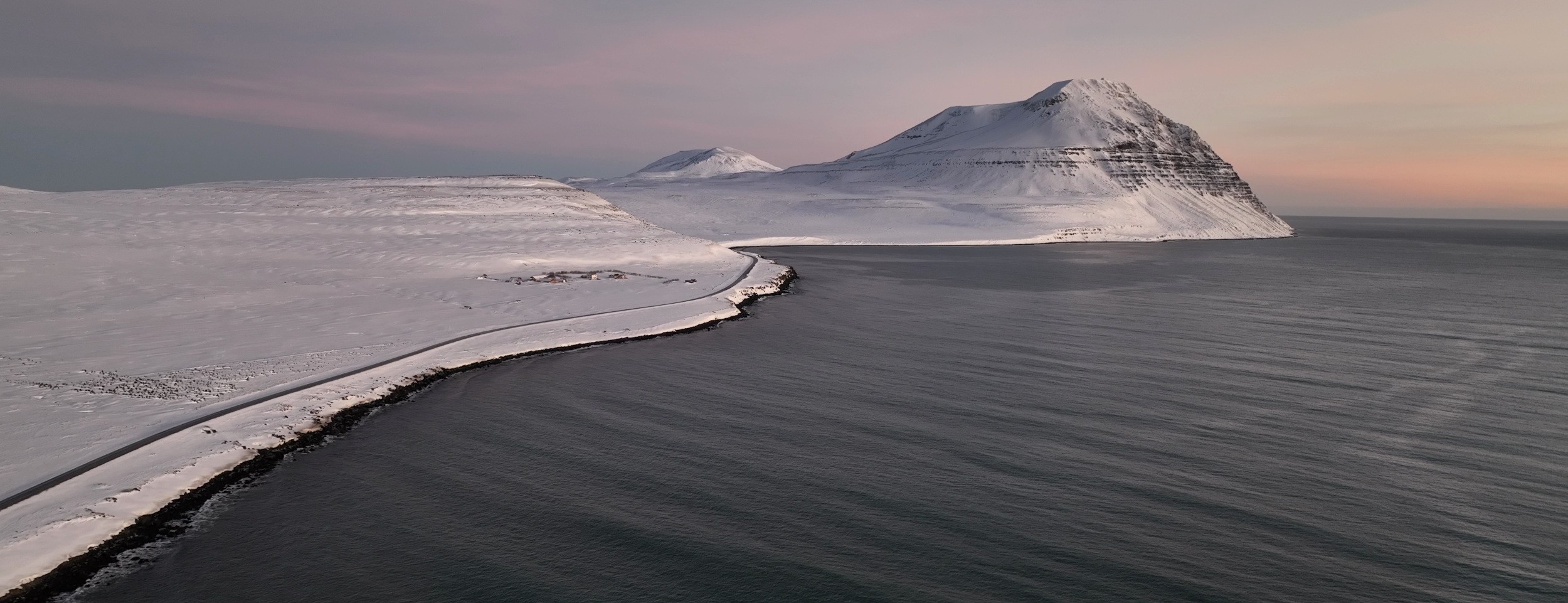
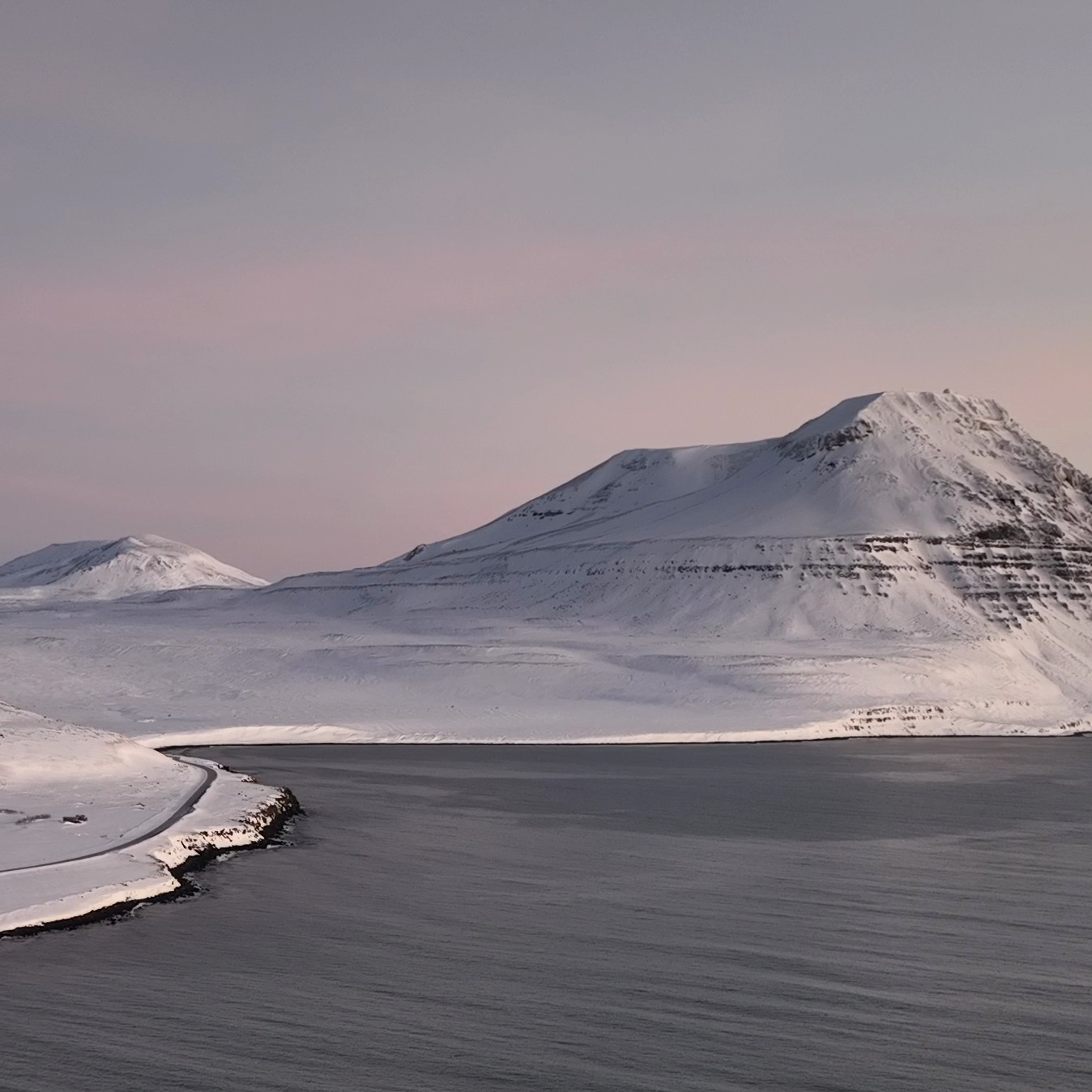
Monitoring underwater sound and cetacean occurrence in Northeast Iceland
Northeast Iceland is one of the least surveyed parts of the country in terms of whale occurrence. However, our research and local ecological knowledge are revealing the importance of this area for whales, especially humpbacks. We have now recorded humpback whale occurrence in winter, spring and summer seasons, as well as regionally unusual behaviours, such as singing and bubble-net feeding.
Historically, this area has been subject to minimal human impact, with small-scale local fisheries. However, this status may be changing. A major shipping port, a mining processing plant and large-scale fish farms are planned for this area. This raises concerns about the future welfare of the whales and the local fishing community. As scientists, our role is to tell the story of this area by documenting and sharing the ecological importance of this unique environment.
You can read our recent publication for this project here.
Background
Northeast Iceland, encompassing Langanes peninsula and the large bay of Bakkaflói, is one of the most remote parts of the country, with low human population density and sweeping landscapes. As a result, there was previously little systematic whale research in the area, with sightings consisting primarily of anecdotal observations. However, those observations guided us to first visit the area 2019, and begin our acoustic, visual and aerial research in 2021.
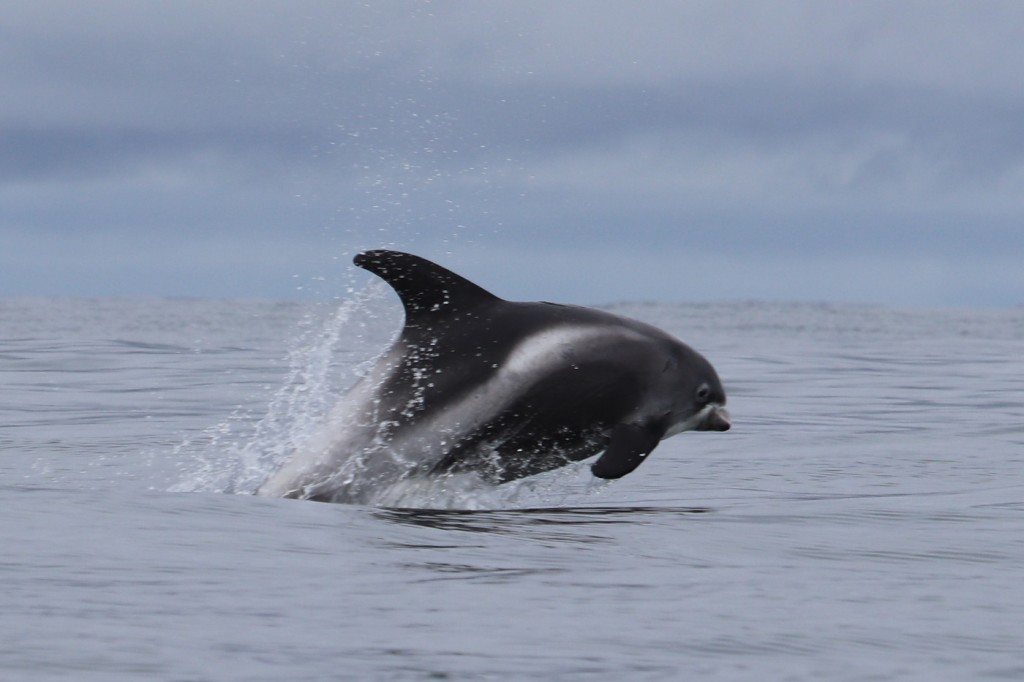


To date, human activity has been relatively low in these coastal waters, but that is likely to change. Specifically, there are plans to build a large-scale industrial port, mining processing plant and fish farms within Finnafjörður, to serve trans-Arctic shipping traffic and industries as sea ice melts in higher latitudes. Both port construction and vessel traffic may lead to major changes in local ecosystems, including the soundscape, and could cause major disturbance to cetaceans. Disturbance can be minimised through techniques such as seasonal and spatial pauses in construction, rerouting vessel traffic and limiting vessel numbers and speed, but this requires an improved understanding of the acoustic habitat and cetaceans in the region.
Aims
To characterise the local cetacean community, we have the following aims:
- How do geophysical, biological and human factors influence the local soundscape?
- How do cetacean species use Finnafjörður and the larger bay of Bakkaflói in space and time?
- What are the migratory connections between whales seen in northeast Iceland and other parts of the North Atlantic?


Project details
To develop a baseline understanding of cetaceans in the area, we have worked with Sound Science Research Collective. We are also grateful for technical, equipment and accommodation support from the University of Iceland, NorthEast Travel and Fell Cottages. Establishing this solid evidence base to inform responsible development requires a variety of research and monitoring methods and wouldn’t be possible without the assistance of local partners.

We have now deployed a long-term hydrophone for two 12-month periods (2021–2022 and 2024–2025) in Finnafjörður to characterise:
- The underwater soundscape including the overall amplitude, seasonal patterns and the contribution of physical sounds (e.g., wind, rain), biological sounds (e.g., whales, fish) and human activity (e.g., vessels)
- The acoustic presence of cetacean species, with a focus on humpback whales
We worked with two sailing and conservation organisations to achieve this: Unu Mondo for hydrophone deployment in 2021 and Barba.no for hydrophone recovery in 2022. In 2024 and 2025, we were assisted by Captain Jón who generously took us out on his fishing boat.


Acoustic monitoring in 2024 and 2025 was complemented by visual monitoring to provide robust evidence of cetacean presence (and absence). Specifically, we conducted land-based visual surveys to monitor cetacean diversity and distribution, which can be used to identify critical habitats within the region. We also take photos of humpback whales for photo-identification purposes, so that we can match the animals seen in Northeast Iceland to other parts of the country and the North Atlantic. Finally, we are working with local residents to document their local ecological knowledge, which will complement and guide our research. We hope that this information can guide responsible coastal development which prioritises the conservation and welfare of marine life.

Project updates
With our hydrophone successfully recovered in 2025, we are currently processing these acoustic data for cetacean presence, and specifically humpback song vocalisations. We will continue our long-term monitoring in the area, and our next field work is planned for winter and spring of 2026.