 Whale Wise
Project Porpoise
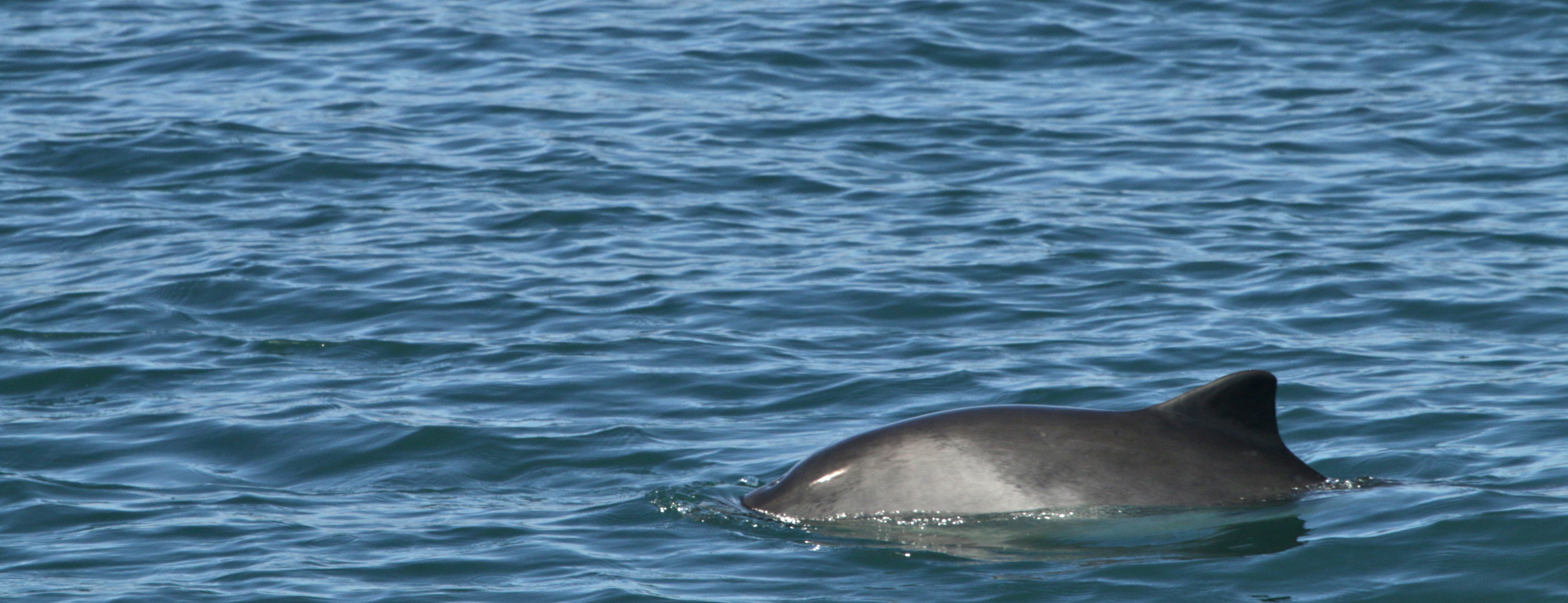

Using the skeleton of a porpoise caught in a fishing net to tell her story
Bycatch in fishing gear is a major population threat to cetaceans worldwide, particularly dolphins and porpoise – each year, bycatch is responsible for more than 300,000 cetacean deaths globally. In 2021, Húsavík Whale Museum was provided with the body of a bycaught female porpoise from Skjálfandi Bay. In collaboration with the museum, we have since developed a small exhibit telling the story of this porpoise’s demise and the threat of commercial fisheries to cetaceans.
Aims
In developing the exhibit, we hope to:
- Convey the story of this porpoise’s life to museum visitors
- Use this story to provide information about threats to cetaceans

Project details
To develop this exhibit, the museum first stripped, cleaned and processed the skeleton ready for display, thanks to Garðar Þröstur Einarsson. Next, we worked with FabLab Húsavík to design a glass box and wooden frame to house the skeleton. As part of this, we used metal hooks to hang bones onto the frame, allowing for a possible interactive exhibit in the future. Following this, we used pieces of litter from local beach cleans to illustrate the positions of organs within the skeleton. We also covered the skeleton in a fishing net to graphically convey the sad ending for this porpoise. Finally, we added text to the display to convey our messages about the story of this porpoise and global threats to her kind.


A key message of this exhibit is that, in order to tackle the serious threat that fisheries can pose to cetaceans, we need to work with fishers at sea and not against them. We have been fortunate to talk to many fishers in Iceland and learn from them about local cetacean sightings and behaviour – acknowledging and making use of their passion for and interest in cetaceans is the best way to make positive conservation change.
Thanks to Eric dos Santos for arranging the transfer of this porpoise to the museum.

Project updates
The initial exhibit has been completed and is on display at Húsavík Whale Museum for all visitors. In the future, we hope to use this exhibit in an interactive way to further showcase and share the story of this porpoise.