 Whale Wise
 Citizen science
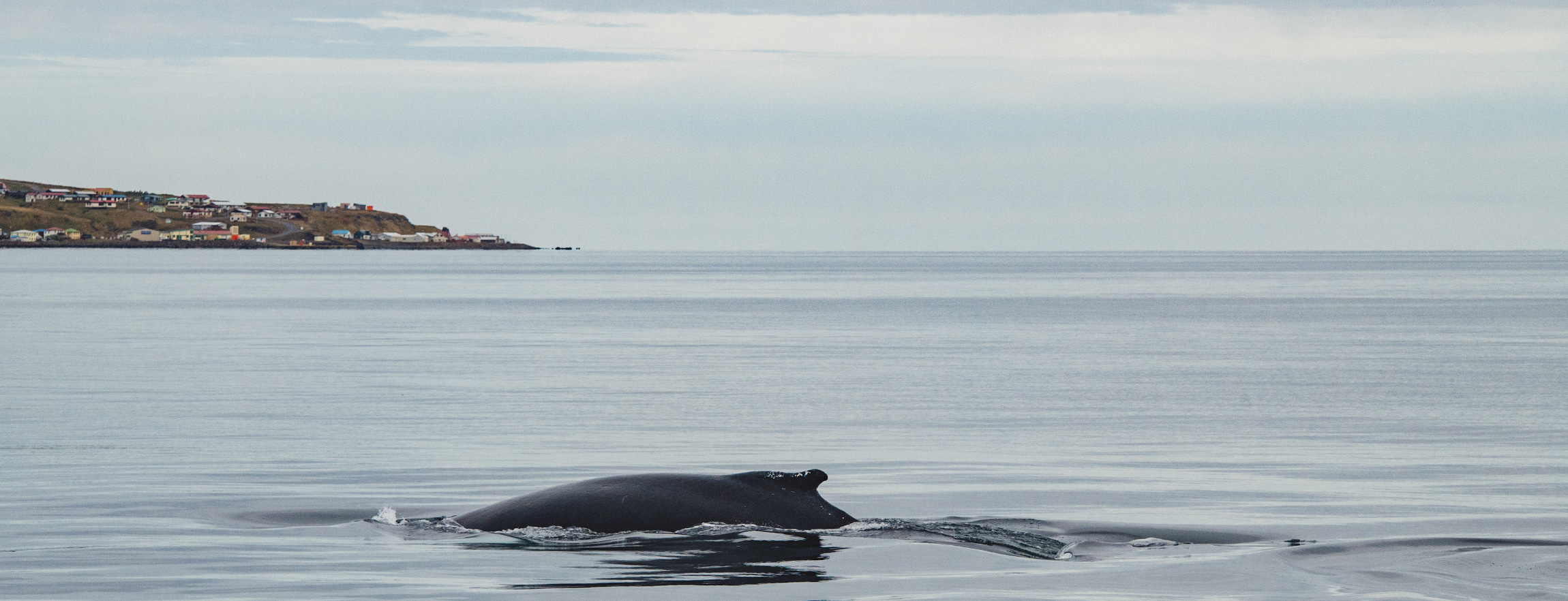

Harnessing the power of the public to better understand and protect the whales of Iceland
Owing to cost and a lack of resources, it is nearly impossible to sustain whale monitoring across an area as large as Iceland. As such, coastal whale research only takes place in very small areas around the country and limited offshore surveys occur. To improve the scope of monitoring efforts and better understand the distribution of whale species, we are working with the public, including fishers, other local residents and tourists, to collect sightings and local knowledge from coastal and offshore areas of Iceland. Ultimately, this will increase our power to protect cetaceans. This project is in collaboration with Húsavík Whale Museum.
Background
Citizen science is increasingly recognised as a key component of studying whale populations and protecting our ocean. As a scientific field, whale research has limited funds and simply cannot maintain continuous monitoring over large ocean areas, particularly offshore. However, in areas such as Iceland, people live, work and travel in and around its coastal and offshore waters; thousands of observers who can provide an incredibly rich source of historical and contemporary information.
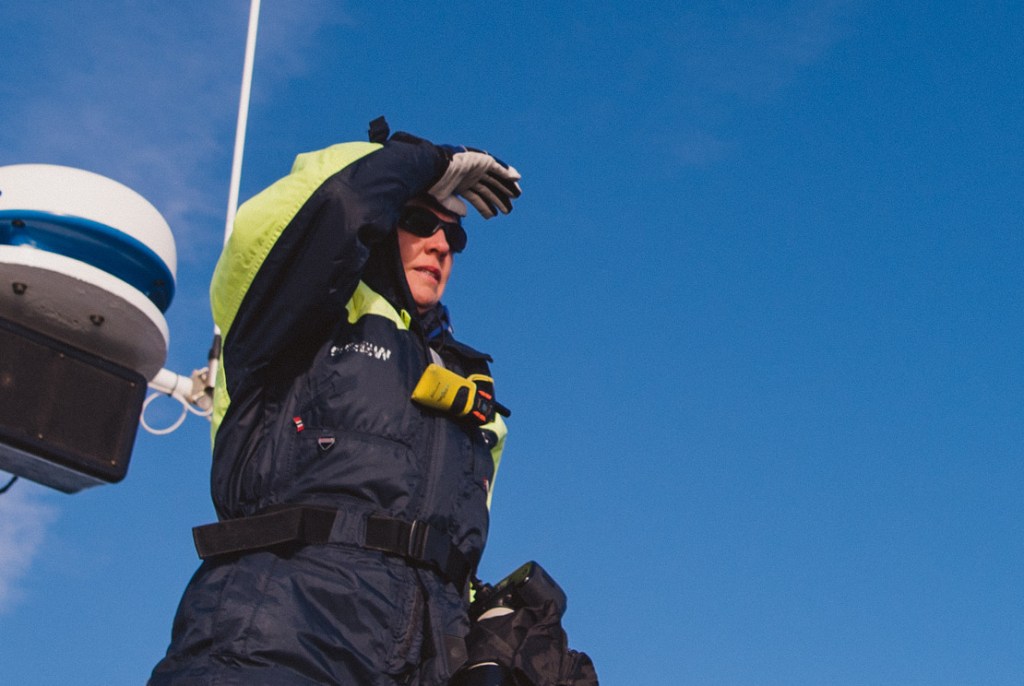
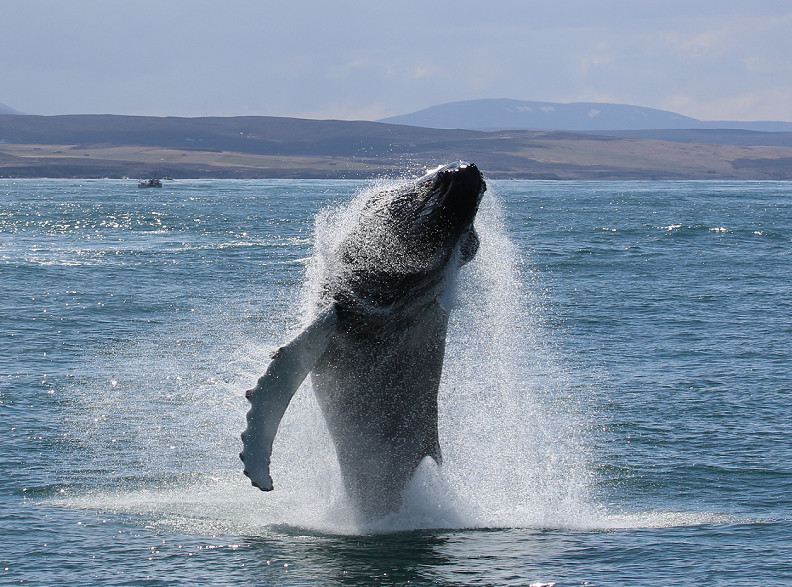
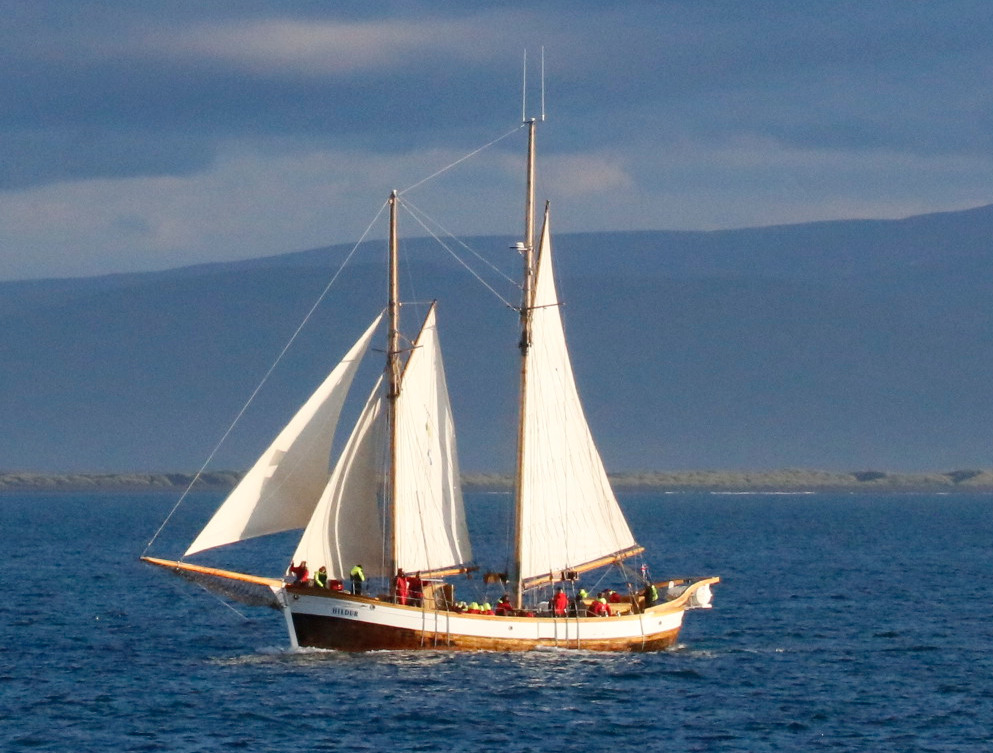
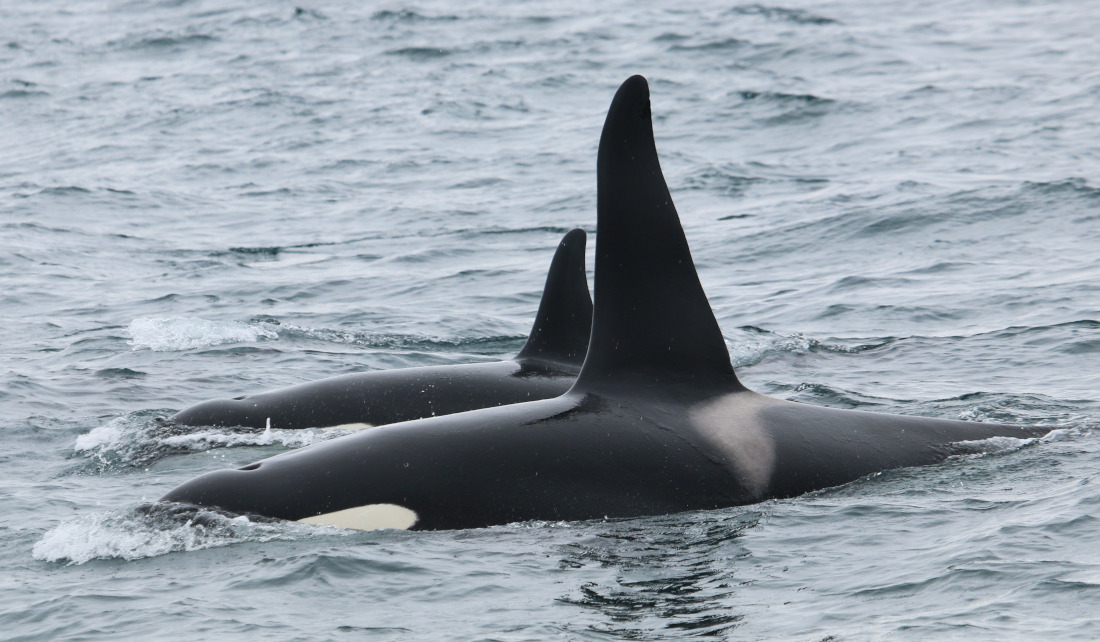
Engaging the public with whale research also opens up dialogue between stakeholders, allowing for more transparent and honest conversations. This allows scientists to learn from, and be guided by, the local ecological knowledge of whales held by coastal communities. Meanwhile, it also provides an opportunity to involve the general public and foster a sense of stewardship for whales, dolphins and porpoises.
Aims
At the interface between our research and engagement work, our citizen science initiative aims to:
- Improve our understanding of cetacean distribution around Iceland, for all species
- Guide future targeted research projects
- Engage and empower the general public to observe and support the protection of marine mammals

Project details
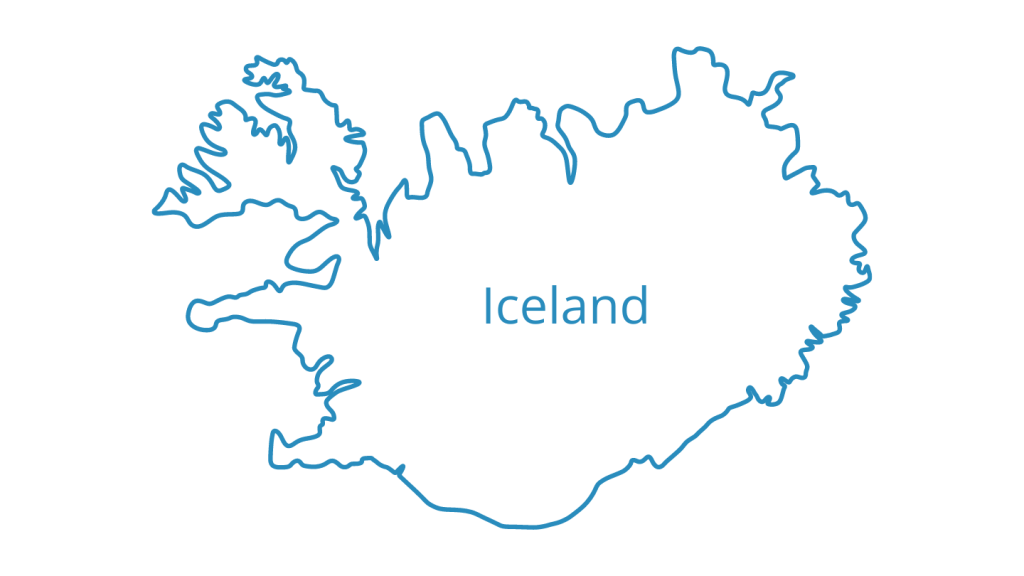
We are working with citizen scientists across Iceland to collect whale sightings and learn from their knowledge of whale ecology. This has been achieved through master’s projects and our long-standing collaboration with Húsavík Whale Museum.
We have achieved this in several ways. Most of our citizen science work revolves around a Facebook group, Íslenskir Hvalir / Iceland Whale Sightings. This is a public forum for anyone in Iceland to share their whale sightings, with photos and videos when possible. Some incredible sightings have been shared, from sperm whales feeding on discarded fish to ‘sand-netting’ humpback whales. As of June 2023, we have received over 1,800 sightings. We have already used this database to inform research projects (e.g., our recent focus on humpback whales in the Westfjords) and these sightings could provide crucial baseline information to guide environmental monitoring prior coastal development around Iceland.

To further encourage people to submit sightings and help others recognise various whale species, we worked with Connelli Designs to create a set of whale identification guides in English and Icelandic. An important part of collecting reliable sightings involves submitting a photo or video to confirm species. However, this is often not possible; in these instances, the observer needs to identify the species they are watching. Therefore, we created the guides to assist with this.
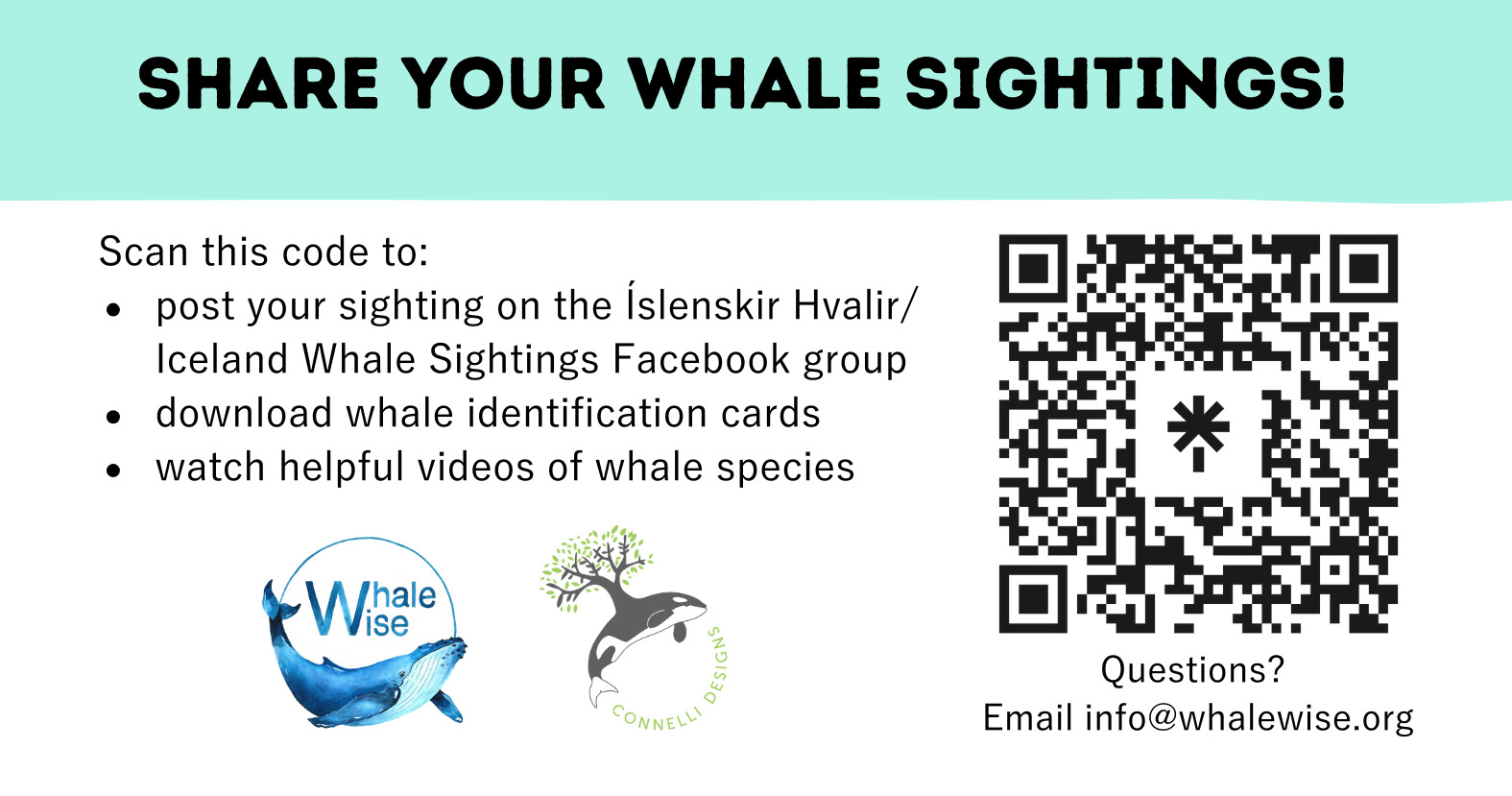

You can download these guides in English or Icelandic, as well as helpful videos, here. If you are interested in a physical copy of the guide – please contact us.
These cards were made possible with the help of: Ívar Örn Hauksson, Rebekka Þórsdóttir, Edda Elísabet Magnúsdóttir, Garðar Þröstur Einarsson, Charla Basran, Eva Björk Káradóttir, Judith Scott, Christian Schmidt, and all who contributed ID photos and videos. Thank you also to the British Ecological Society and Eric Hosking Charitable Trust for supporting this project.

Project updates
The Facebook group is still active with whale sightings posted regularly. After five years (in 2025) of data collection, we intend to collate these sightings for publication to demonstrate the power of citizen science to inform whale research in Iceland.